Your AC is usually not cooling because airflow, refrigerant, or system performance is being blocked or reduced. Even when the unit is running, small issues can stop it from actually lowering the temperature in your

HVAC maintenance is regular care that keeps your heating and cooling system working the way it should. It helps your system run safely, efficiently, and without surprise breakdowns. Most homeowners don’t think about their HVAC
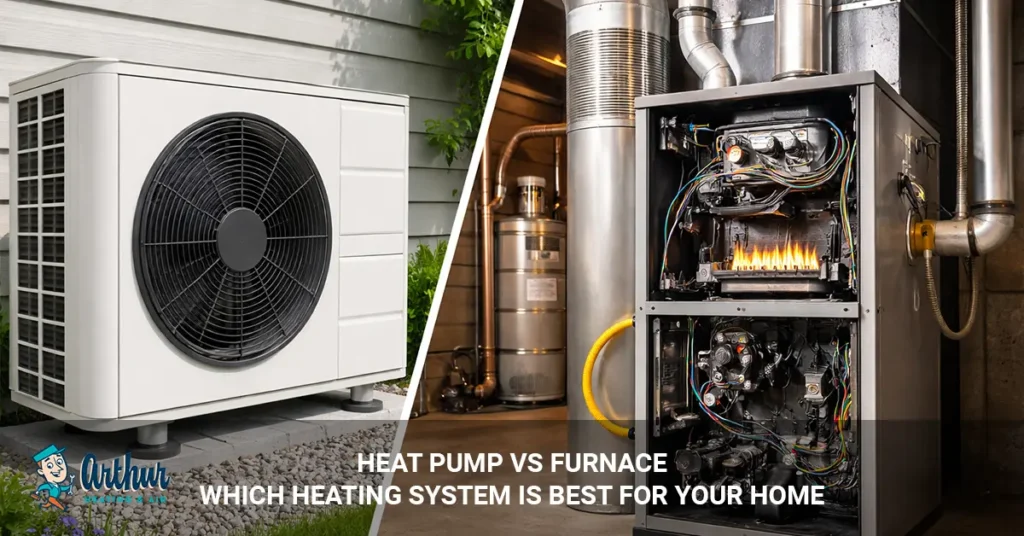
The best heating system for your home depends on your climate, energy costs, and how you want your home to feel in winter. Both heat pumps and furnaces can keep your house warm, but they
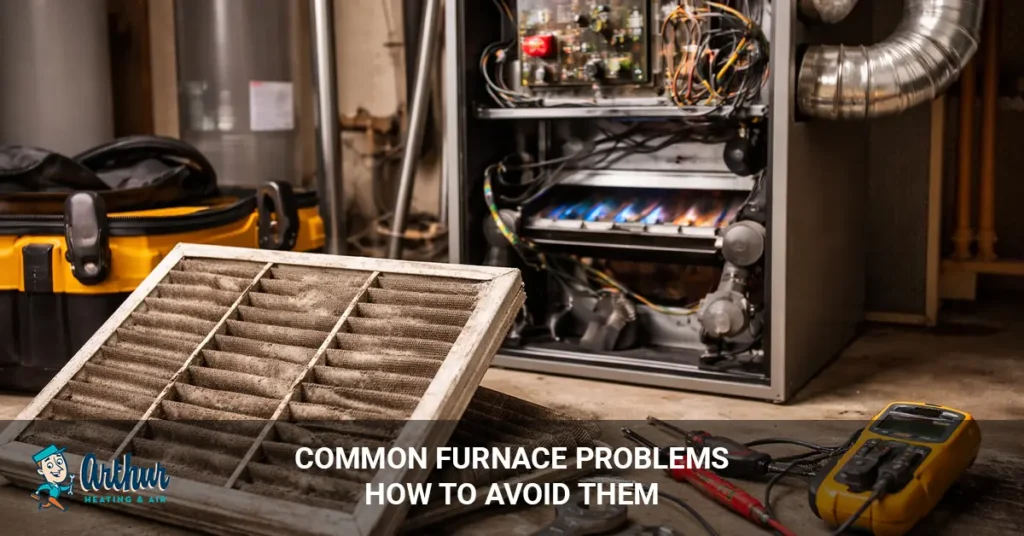
Furnace problems usually start with small warning signs before turning into major breakdowns. Strange noises, weak airflow, or higher energy bills may not seem serious at first, but they often signal that something isn’t working
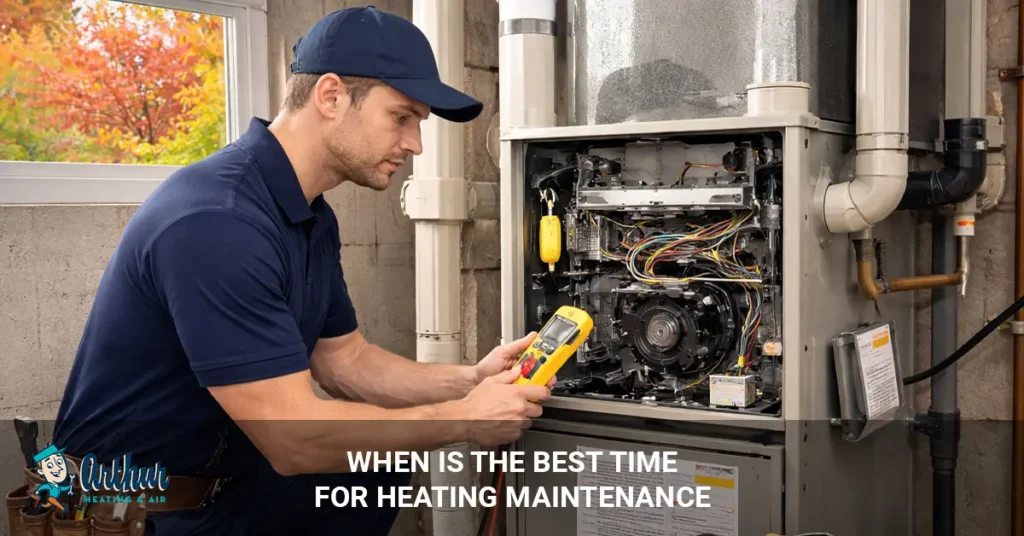
The best time for heating maintenance is early fall, before cold weather starts and before your heater runs every day. This timing gives you the chance to catch small problems early, avoid emergency breakdowns, and
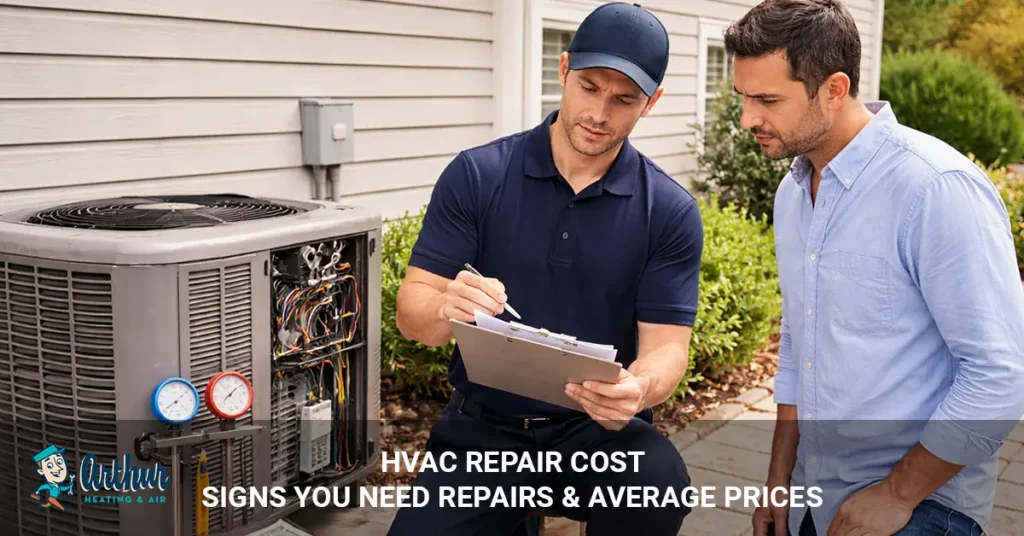
Most HVAC problems give warning signs before turning into major breakdowns. Strange noises, weak airflow, or higher energy bills usually show up long before the system stops working completely. Ignoring those signs often turns a
DIY heater maintenance helps keep your home warm, lowers energy bills, and reduces the risk of sudden breakdowns. Most basic tasks are easy, safe, and only take a few minutes when done regularly. This guide

Annual heater maintenance saves you money by reducing energy bills, avoiding expensive repairs, and helping your heating system last longer. It’s one of the easiest ways to keep your home comfortable without dealing with surprise

A heater tune-up is a complete system check that helps your heater run safely, efficiently, and without surprises. Most homeowners schedule a tune-up before cold weather so they don’t end up with no heat, high

The right heating system for a Texas home needs to handle mild winters and still perform when sudden cold snaps roll in. Unlike colder states, Texas doesn’t need constant heavy heating, but reliability still matters