
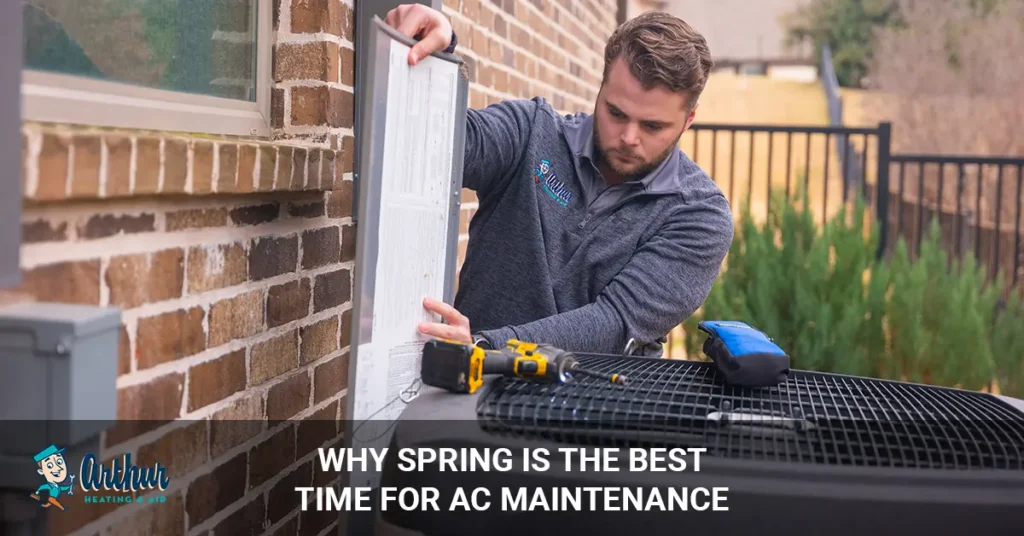
Spring is the best time for AC maintenance because it prepares your cooling system before the heavy summer heat begins. After sitting unused through winter, your air conditioner needs a quick check to make sure everything is working properly. Spring weather is mild, so it’s easier to test and service the system without putting stress on it.
Another reason spring is ideal is that HVAC companies are usually less busy than they are in summer. This means you can schedule service faster and avoid emergency repairs later. A simple spring tune-up can improve efficiency, lower energy bills, and help your AC run smoothly when temperatures rise.
Taking care of your system early also helps prevent unexpected breakdowns during the hottest days of the year. With clean components and properly working parts, your AC can cool your home more effectively and keep your family comfortable all summer long.
What Happens During AC Maintenance
AC maintenance includes a full inspection and tune-up to make sure your air conditioner runs safely and efficiently. During the service visit, a technician checks important components, cleans the system, and fixes small issues before they turn into expensive repairs.
Air Filter Inspection and Replacement
Air filter inspection and replacement help keep airflow strong and indoor air clean. The technician checks the filter and replaces it if it is dirty or clogged. A clean filter allows air to move freely through the system, improves air quality, and reduces strain on the AC unit. Knowing how often you should change your AC filter can also help keep your system running efficiently.
Cleaning the Condenser and Evaporator Coils
Cleaning the condenser and evaporator coils helps your AC cool your home more efficiently. Over time, dust and debris collect on the coils and block heat transfer. The technician removes dirt and buildup so the system can absorb heat from inside your home and release it outside properly.
Checking Refrigerant Levels
Checking refrigerant levels ensures the air conditioner can cool the air effectively. If refrigerant levels are low, the AC may blow warm air or struggle to maintain the desired temperature. The technician measures refrigerant levels and checks the system for possible leaks.
Inspecting Electrical Components
Inspecting electrical components helps prevent system failures and safety issues. During maintenance, the technician checks wiring, connections, capacitors, and other electrical parts. Loose or damaged connections are tightened or repaired to keep the system running safely.
Testing Thermostat Performance
Testing thermostat performance ensures your AC responds correctly to temperature settings. The technician checks that the thermostat communicates properly with the system and accurately controls when the air conditioner turns on and off. This helps maintain consistent indoor comfort and improves efficiency.
Benefits of Scheduling AC Maintenance in Spring
Scheduling AC maintenance in spring helps your system run better, last longer, and avoid costly problems during summer. A simple seasonal tune-up keeps your air conditioner efficient and ready for heavy use when temperatures rise.
Improves Cooling Efficiency
Spring AC maintenance improves cooling efficiency by helping the system run smoothly and remove heat more effectively. When coils, filters, and internal parts are clean, your air conditioner can cool your home faster and maintain a steady temperature.
Reduces Energy Bills
Regular AC maintenance helps reduce energy bills because the system does not have to work as hard to cool your home. When all components are clean and properly adjusted, the air conditioner uses less electricity, which can lower your monthly cooling costs.
Prevents Unexpected Breakdowns
Spring maintenance helps prevent unexpected AC breakdowns during the hottest months. Technicians can find worn parts, loose connections, or small problems early and fix them before they cause a system failure.
Extends the Lifespan of Your AC
Routine AC maintenance helps extend the lifespan of your system by reducing stress on its components. When the unit runs efficiently and receives regular care, it can continue operating reliably for many more years.
Maintains Healthy Indoor Air Quality
AC maintenance helps maintain healthy indoor air quality by keeping filters and internal components clean. Removing dust, dirt, and allergens from the system allows cleaner air to circulate throughout your home.
Signs Your Air Conditioner Needs Maintenance
Your air conditioner may need maintenance if you notice changes in airflow, cooling performance, or energy use. Even if the system still runs, these warning signs often mean something inside the unit needs attention.
Weak Airflow
Weak airflow is a common sign that your AC system needs maintenance. If the air coming from the vents feels light or slow, the problem may be a clogged air filter, blocked vents, duct issues, or a failing blower motor. A technician can inspect the system and restore proper airflow.
Warm Air From Vents
Warm air from your vents usually means the air conditioner is not cooling properly. This can happen when refrigerant levels are low, the compressor is not working correctly, or the thermostat is not set properly. Professional service can identify the exact cause.
Strange Noises
Strange noises from your AC unit often indicate a mechanical issue. Sounds like grinding, rattling, or buzzing may mean loose parts, worn components, or debris inside the system. These problems should be checked early to avoid larger repairs.
Rising Energy Bills
A sudden increase in your energy bill may mean your AC system is running inefficiently. When parts become dirty or worn, the unit has to work harder to cool your home. Maintenance helps restore efficiency and reduce energy use.
Frequent Cycling
Frequent cycling means the AC turns on and off more often than normal. This can happen when the thermostat malfunctions, airflow is restricted, or the system is struggling to maintain the set temperature. Regular maintenance helps correct these issues and keeps the system running smoothly.
Simple Spring AC Maintenance Tips for Homeowners
Simple spring AC maintenance helps keep your air conditioner running efficiently before the summer heat arrives. A few easy steps can improve airflow, prevent common problems, and help your system cool your home more effectively.
If you’re getting your system ready after winter, this spring HVAC startup guide covers the key steps to prepare your system before the cooling season begins.
Replace the Air Filter
Replacing the air filter helps your AC system maintain strong airflow and clean indoor air. A dirty filter blocks airflow and forces the system to work harder. Most homeowners should replace the filter every 1 to 3 months, especially during heavy cooling seasons.
Clear Debris Around the Outdoor Unit
Clearing debris around the outdoor unit helps the air conditioner release heat properly. Leaves, dirt, and grass clippings can block airflow around the condenser. Keep at least two feet of open space around the unit so it can operate efficiently.
Check Thermostat Settings
Checking your thermostat settings ensures your AC system cools your home correctly. Make sure the thermostat is set to cooling mode and at a comfortable temperature. If your thermostat uses batteries, replacing them can help prevent control issues.
Inspect Air Vents
Inspecting air vents helps maintain proper airflow throughout your home. Make sure vents are open and not blocked by furniture, rugs, or curtains. Clear vents allow cool air to circulate evenly in every room.
Schedule Professional AC Service
Scheduling professional AC service ensures your system receives a complete inspection and tune-up. While basic maintenance can be done at home, a trained HVAC technician can check refrigerant levels, clean internal components, and identify potential problems early.
When to Call a Professional HVAC Technician
You should call a professional HVAC technician when your air conditioner stops cooling properly or shows signs of a serious problem. Some issues cannot be safely fixed without the right tools and training, so professional service is important to protect your system and your home.
For example, refrigerant leaks, electrical problems, frozen coils, or weak cooling often require expert diagnosis. These issues can damage important components if they are not repaired correctly.
A professional technician can inspect the entire system, find the exact cause of the problem, and perform the necessary repairs. Getting professional help early can prevent bigger breakdowns, improve system performance, and keep your AC running safely and efficiently.
How Often Should You Schedule AC Maintenance
You should schedule AC maintenance at least once a year to keep your system running efficiently and prevent unexpected problems. Most HVAC professionals recommend servicing your air conditioner in the spring, before the cooling season begins.
Annual maintenance helps ensure all parts of the system are clean, properly adjusted, and working as they should. This keeps the unit efficient, reduces the chance of breakdowns, and helps maintain consistent cooling during hot weather.
In some homes, maintenance twice a year may be helpful. For example, systems that run frequently, larger units, or homes in very hot climates may benefit from additional inspections to keep the system performing at its best.
How Spring Maintenance Prevents Summer AC Failures
Spring AC maintenance helps prevent summer breakdowns by preparing your system before it runs for long hours in hot weather. When an air conditioner works continuously during summer, small hidden problems can quickly turn into major failures.
During spring maintenance, a technician inspects the entire system and looks for worn or damaged parts. They clean important components like coils and filters, check refrigerant levels, and make sure electrical connections are secure. These steps help the system run smoothly and reduce strain on the equipment.
When your AC is fully inspected and tuned before summer begins, it can handle heavy use more efficiently. This lowers the risk of sudden breakdowns and helps keep your home cool and comfortable during the hottest days of the year.
Final Thoughts
Spring is the best time to schedule AC maintenance and get your cooling system ready for the months ahead. Servicing your air conditioner early helps it run efficiently, reduces the risk of breakdowns, and prepares it for heavy summer use.
A simple spring tune-up can also help lower energy bills and prevent costly repairs later. When your system is clean and properly inspected, it can cool your home more effectively and operate with less strain.
Taking care of your AC before summer arrives gives you peace of mind. Your system will be ready to handle the heat, and your home will stay comfortable throughout the entire cooling season.
Frequently Asked Questions
Is spring the best time for AC maintenance?
Yes, spring is the best time for AC maintenance because it prepares your system before the heavy summer heat begins. Servicing the unit early ensures it runs efficiently and reduces the chance of breakdowns during peak cooling season.
How much does AC maintenance cost?
AC maintenance usually costs between $75 and $200, depending on the type of system and the service provider. The exact cost can vary based on the inspection, cleaning, and any minor adjustments needed.
Can I perform AC maintenance myself?
Yes, homeowners can handle basic AC maintenance tasks like replacing air filters and clearing debris around the outdoor unit. However, a professional HVAC technician should perform a full inspection and tune-up to check refrigerant levels, electrical components, and internal parts.
What happens if you skip AC maintenance?
Skipping AC maintenance can cause your system to lose efficiency and work harder to cool your home. This often leads to higher energy bills, poor cooling performance, and a greater risk of unexpected breakdowns during hot weather.