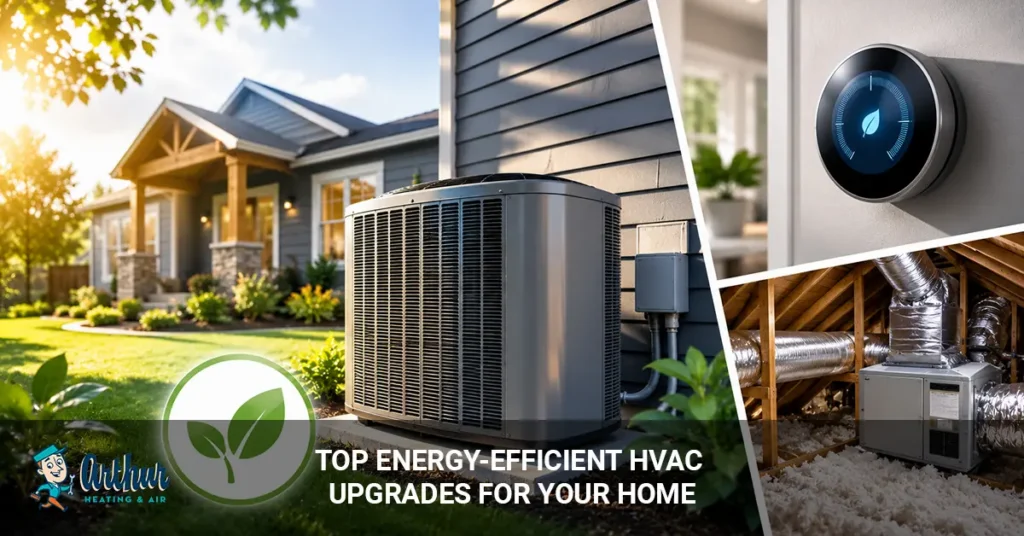
Energy-efficient HVAC upgrades help lower energy bills, improve indoor comfort, and reduce strain on your heating and cooling system. Many homes lose energy every day because of outdated HVAC equipment, poor insulation, air leaks, or inefficient airflow.
Upgrading key parts of your HVAC system can help your home stay more comfortable while using less energy. Some upgrades also improve airflow, reduce repair costs, and help HVAC equipment last longer.
Simple improvements like sealing air leaks, upgrading insulation, or installing a smart thermostat can make a noticeable difference in both comfort and monthly utility costs. Larger upgrades, such as replacing an old HVAC system or improving ductwork, can provide even greater long-term energy savings.
The best HVAC upgrades depend on your home’s condition, energy usage, and existing heating and cooling system. Choosing the right improvements can help increase efficiency and improve overall system performance throughout the year.
Why Energy-Efficient HVAC Upgrades Matter
Energy-efficient HVAC upgrades help reduce energy use while improving indoor comfort and system performance. Heating and cooling systems use a large amount of household energy, especially during very hot summers and cold winters.
Older HVAC systems often work harder than necessary to maintain comfortable temperatures. They may run longer, waste energy, and struggle to keep airflow and humidity levels consistent throughout the home.
Upgrading to more energy-efficient HVAC components can help lower monthly utility bills and improve overall heating and cooling performance. Many homeowners also notice better airflow, more stable indoor temperatures, improved humidity control, quieter operation, and fewer repair problems after making HVAC efficiency upgrades.
Upgrade to a High-Efficiency HVAC System
Replacing an older HVAC system with a high-efficiency model can significantly reduce energy use and improve indoor comfort. Modern HVAC systems are designed to heat and cool homes more efficiently while using less electricity or fuel.
Many high-efficiency systems include variable-speed motors, improved airflow control, better humidity management, and higher SEER2 or AFUE ratings. These features help the system maintain more consistent temperatures while reducing unnecessary energy consumption.
Homeowners comparing newer systems can review SEER2 vs SEER ratings to better understand HVAC efficiency standards.
If your HVAC system is more than 10 to 15 years old, upgrading to a newer model may improve both comfort and performance. Older systems often lose efficiency over time and may struggle to keep up with heating and cooling demands.
Common signs it may be time for a replacement include rising energy bills, uneven indoor temperatures, frequent repairs, and longer system runtime. A high-efficiency HVAC upgrade can help lower operating costs and reduce long-term strain on the system.
Install a Smart Thermostat
A smart thermostat helps reduce energy waste by automatically adjusting indoor temperatures based on your daily schedule and usage habits. It allows your HVAC system to run more efficiently without sacrificing comfort.
Many smart thermostats can learn your routine and make automatic temperature changes throughout the day. Homeowners often choose thermostat upgrades for comfort and savings to improve HVAC efficiency and reduce energy waste. They also allow homeowners to control HVAC settings remotely using a phone, tablet, or smart device.
This makes it easier to reduce heating and cooling use when the home is empty and maintain comfortable temperatures when people are home.
Homeowners often install smart thermostats to lower heating and cooling costs, improve comfort, reduce unnecessary HVAC runtime, and increase overall energy savings.
Upgrade Home Insulation
Upgrading home insulation helps improve HVAC efficiency by reducing heat loss in winter and heat gain in summer. When indoor temperatures stay more stable, your heating and cooling system does not need to work as hard to keep the home comfortable.
Good insulation helps lower energy bills, improve indoor comfort, and reduce unnecessary strain on HVAC equipment throughout the year.
Some of the most important areas to insulate include attics, exterior walls, crawl spaces, floors, and basements. These areas are common sources of energy loss in many homes.
Older homes often have outdated or insufficient insulation that allows heated or cooled air to escape more easily. Improving insulation in these areas can make a noticeable difference in both comfort and overall energy efficiency.
Seal Air Leaks Around the Home
Sealing air leaks helps improve HVAC efficiency by preventing conditioned air from escaping your home. Small gaps and cracks around the house can allow outdoor air to enter and force your HVAC system to work harder to maintain comfortable indoor temperatures.
Air leaks are commonly found around window frames, door frames, attic openings, plumbing penetrations, and electrical fixtures. Even small openings can lead to noticeable energy loss over time.
Sealing these areas helps stabilize indoor temperatures, reduce unnecessary HVAC runtime, and lower overall energy costs. Homes with fewer air leaks also tend to feel more comfortable and less drafty throughout the year.
Air sealing becomes even more effective when combined with proper insulation upgrades. Together, they help reduce energy waste and improve overall home efficiency.
Upgrade to Energy-Efficient Windows
Upgrading to energy-efficient windows helps reduce heat transfer and improves overall HVAC efficiency. Older windows often allow outdoor heat to enter during summer and indoor heat to escape during winter, making it harder to maintain comfortable indoor temperatures.
Modern energy-efficient windows are designed to improve insulation and reduce energy loss. Many include double or triple-pane glass, Low-E coatings, gas-filled glass panels, and better insulated window frames.
These features help reduce drafts, improve indoor comfort, and lower heating and cooling costs throughout the year. Energy-efficient windows also reduce the workload on HVAC systems by helping indoor temperatures stay more stable.
Improve Ductwork Efficiency
Improving ductwork efficiency helps your HVAC system deliver heated and cooled air more effectively throughout the home. Leaky or poorly insulated ducts can waste a large amount of energy before conditioned air even reaches certain rooms.
When air escapes through damaged or unsealed ducts, the HVAC system must run longer to maintain indoor comfort. This increases energy use and puts extra strain on the system.
Common ductwork improvements include sealing air leaks, adding duct insulation, balancing airflow, and replacing damaged duct sections. Homeowners can also learn more about the benefits of duct sealing for improving HVAC performance and reducing energy loss.
These upgrades help reduce energy loss, improve airflow performance, and maintain more consistent indoor temperatures.
Efficient ductwork also helps improve overall comfort by allowing conditioned air to reach every part of the home more evenly.
Upgrade to a Variable-Speed Air Handler
A variable-speed air handler improves HVAC efficiency by adjusting airflow based on your home’s heating and cooling needs. Instead of running at full speed all the time, it changes airflow gradually to maintain more consistent indoor temperatures.
This allows the HVAC system to operate more efficiently while using less energy. Variable-speed technology also helps improve humidity control because the system can run at lower speeds for longer periods without wasting energy.
Homeowners often notice quieter operation, more even airflow, and better overall comfort after upgrading to a variable-speed air handler. The steady airflow also helps reduce hot and cold spots throughout the home.
Because the system does not constantly start and stop at full power, variable-speed air handlers can also reduce unnecessary wear on HVAC equipment and support longer system lifespan.
Install HVAC Zoning Systems
HVAC zoning systems improve energy efficiency by allowing different areas of the home to be heated or cooled separately. Instead of conditioning the entire house at the same temperature, zoning systems direct airflow only where it is needed.
This helps reduce energy waste and improves comfort throughout the home. Zoning systems are especially useful in larger homes, multi-story houses, or homes where certain rooms are consistently warmer or cooler than others.
Each zone uses its own thermostat, allowing homeowners to customize temperatures in different parts of the house. This creates more balanced comfort while reducing unnecessary HVAC operation.
Many homeowners install HVAC zoning systems to improve comfort, lower energy use, maintain customized room temperatures, and reduce strain on heating and cooling equipment.
Consider Installing a Heat Pump
Heat pumps are one of the most energy-efficient ways to heat and cool a home. Instead of creating heat like traditional furnaces, heat pumps transfer heat between indoor and outdoor spaces using much less energy.
Because they move heat rather than generate it, heat pumps can operate more efficiently and help lower overall energy costs. They also provide both heating and cooling in a single system, making them a popular option for year-round comfort.
Common types of heat pumps include air-source heat pumps, ductless mini-split systems, and ground-source heat pumps. Each option offers different benefits depending on the home’s size, climate, and existing HVAC setup.
Many homeowners choose heat pumps to improve energy efficiency, reduce utility bills, and maintain more consistent indoor temperatures throughout the year.
Improve Indoor Airflow and Ventilation
Improving indoor airflow and ventilation helps HVAC systems operate more efficiently and maintain consistent indoor comfort. Good airflow allows heated and cooled air to move evenly throughout the home, reducing strain on the HVAC system.
Poor airflow can make certain rooms feel uncomfortable and force the system to work harder to maintain the desired temperature. Over time, this can reduce HVAC efficiency and increase energy use.
Several upgrades can help improve airflow and indoor air quality, including high-efficiency air filters, ventilation systems, air purifiers, and ceiling fans. These improvements help air circulate more effectively while reducing dust, allergens, and indoor pollutants.
Better airflow also supports more balanced temperatures, improved comfort, and more efficient HVAC performance throughout the home.
Schedule Regular HVAC Maintenance
Regular HVAC maintenance helps heating and cooling systems run more efficiently and reduces the risk of costly performance problems. A well-maintained system uses less energy, maintains better airflow, and keeps indoor temperatures more consistent.
Over time, dirty filters, clogged coils, and airflow restrictions can reduce HVAC efficiency and force the system to work harder than necessary. This can increase energy bills and place extra strain on HVAC equipment.
Important maintenance tasks include replacing air filters, cleaning coils, inspecting ductwork, checking refrigerant levels, and testing thermostat performance. Routine inspections also help identify small problems before they turn into major repairs.
Professional HVAC maintenance can improve system lifespan, support better energy efficiency, and reduce the chance of unexpected breakdowns during extreme weather.
How to Choose the Right HVAC Upgrades
The best HVAC upgrades depend on your home’s size, insulation condition, climate, existing equipment, and overall energy goals. Some homes benefit more from insulation and air sealing improvements, while others may need HVAC replacement or ductwork upgrades.
Choosing the right upgrades starts with identifying where your home loses the most energy. Problems like poor insulation, leaky ducts, outdated equipment, or uneven airflow can all affect HVAC performance and energy use.
A professional HVAC assessment can help determine which upgrades will provide the greatest improvement in comfort, efficiency, and long-term energy savings.
Final Thoughts
Energy-efficient HVAC upgrades can help lower utility bills, improve indoor comfort, and reduce strain on heating and cooling equipment. Improvements such as better insulation, smart thermostats, duct sealing, and high-efficiency HVAC systems work together to improve overall home energy performance.
Before replacing HVAC equipment, homeowners should also evaluate insulation, airflow, and air leakage throughout the home. In many cases, combining multiple efficiency upgrades provides the best long-term results for comfort, system performance, and energy savings.