
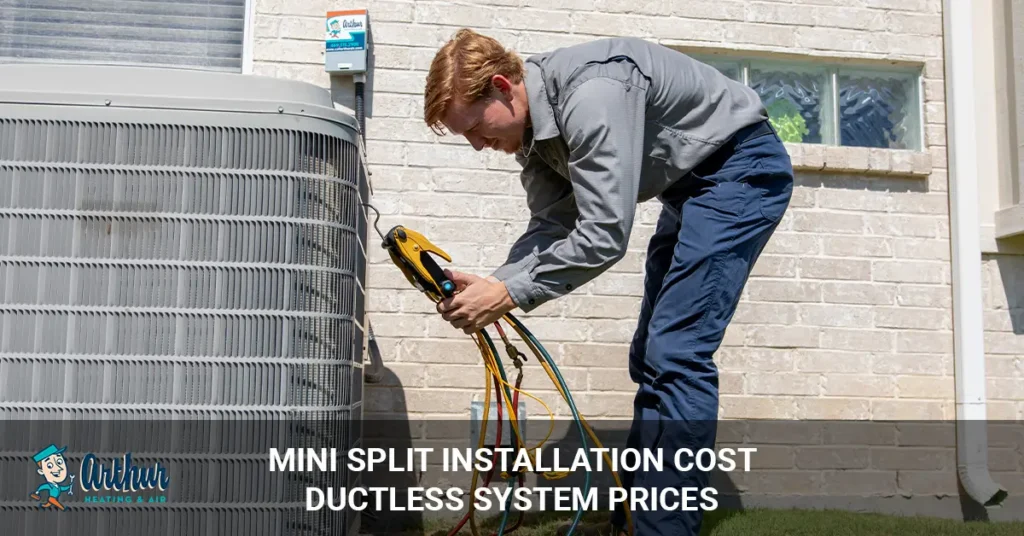
Mini split installation usually costs between $2,000 and $10,500, depending on system size, number of indoor units, and labor. Many homeowners choose mini split systems because they provide efficient heating and cooling without needing ductwork.
A ductless mini split system is a flexible option for homes that do not have existing air ducts or for rooms that need separate temperature control. These systems are known for their energy efficiency, quiet operation, and easier installation compared with central air conditioning systems.
Before installing a mini split, most homeowners want to understand the total cost. The final price depends on several factors, including the size of the system, how many indoor units are needed, and how complex the installation will be.
Comparing this with the overall AC installation cost can help homeowners better understand pricing differences between HVAC systems.
Labor costs, electrical work, and installation conditions can also affect the overall price. For example, installing a single unit in one room usually costs less than installing multiple units throughout a home.
This guide explains ductless system prices, labor costs, and the main factors that influence the total mini split installation cost, helping homeowners plan their budget and make informed HVAC decisions.
What Is a Mini Split System?
A mini split system is a ductless HVAC system that provides heating and cooling directly to individual rooms without using air ducts. Instead of pushing air through a duct network like central air systems, a mini split sends conditioned air straight into the space where the indoor unit is installed.
Homeowners often choose mini split systems because they are efficient, flexible, and easier to install than traditional systems. They work well in homes without ductwork and in areas that need separate temperature control.
Mini splits are commonly used in room additions, garages, apartments, basements, and older homes where installing ducts would be difficult or expensive.
How a Ductless Mini Split Works
A ductless mini split works by moving heat between an outdoor unit and an indoor air handler using refrigerant lines. The system transfers heat out of the room when cooling and moves heat inside when heating.
A mini split system has two main parts:
- An outdoor condenser unit that compresses and circulates refrigerant
- An indoor air handler mounted on a wall or ceiling that distributes air into the room
These two units are connected by refrigerant lines and electrical wiring. The indoor unit pulls warm air from the room, cools it using refrigerant, and then pushes the cooled air back into the space.
This process repeats until the room reaches the desired temperature.
Main Components of a Mini Split System
A mini split system includes several key components that work together to provide heating and cooling. The main parts include:
- An outdoor compressor and condenser that manages refrigerant circulation
- An indoor air handler (also called a head unit) that delivers conditioned air into the room
- Refrigerant line set connecting the indoor and outdoor units
- Drain line that removes condensation from the indoor unit
- Electrical wiring and mounting hardware that power and secure the system
These components work together to provide efficient temperature control without the need for ductwork.
Benefits of Mini Split Systems
Mini split systems offer several advantages that make them a popular HVAC choice for many homes. Key benefits include:
- No ductwork required
- High energy efficiency
- Zoned cooling and heating for individual rooms
- Quiet operation compared with many traditional systems
- Flexible installation in many types of spaces
Because of these benefits, mini splits are often installed in room additions, garages, apartments, finished basements, and older homes without existing ducts. They provide targeted comfort while helping homeowners reduce energy waste.
Average Mini Split Installation Cost
The average mini split installation cost ranges from about $2,000 to $10,500 depending on the system size, number of indoor units, and installation complexity. Smaller systems with one indoor unit usually cost less, while larger systems designed to cool multiple rooms cost more.
Single-zone mini splits are often installed in one room or a small space, so the installation is quicker and less expensive. Multi-zone systems require more indoor units and additional installation work, which increases the total cost.
Most installation prices include the mini split equipment, professional labor, and basic installation materials.
Typical Price Range
Mini split installation cost varies based on the number of zones in the system. A zone refers to an indoor unit that cools or heats a specific room or area.
Here is a general price estimate for common systems.
| System Type | Average Installation Cost |
| Single zone system | $2,000 – $5,000 |
| Two-zone system | $4,000 – $7,500 |
| Three to four zone system | $6,000 – $10,500+ |
Homes that need more indoor units will usually see higher installation costs because each unit requires additional equipment and labor.
Cost Breakdown
Mini split installation cost is made up of equipment, labor, and installation materials. Understanding these parts helps homeowners see where most of the cost comes from.
- Equipment cost: The mini split system itself usually costs $1,000 to $6,000. The price depends on the system capacity, brand, energy efficiency rating, and the number of indoor units included.
- Installation labor: Professional HVAC installation typically costs $500 to $2,500. Labor costs increase when the system requires longer refrigerant lines, electrical work, or multiple indoor units.
- Materials and accessories: Additional materials such as mounting brackets, refrigerant line sets, drain tubing, and electrical components can add around $200 to $1,000 to the total installation price.
Mini Split Cost by System Type
Mini split installation cost varies based on the type of system installed. Single-zone systems usually cost less because they cool one area, while multi-zone systems cost more since they serve multiple rooms.
The system type affects both equipment cost and installation labor, which is why prices can vary widely.
Single Zone Mini Split Cost
A single-zone mini split costs about $2,000 to $5,000 installed and is designed to heat or cool one room. This system connects one indoor unit to one outdoor condenser.
Because there is only one indoor unit, installation is usually simpler and faster. That helps keep both equipment and labor costs lower. Single-zone systems are commonly used in:
- Bedrooms
- Small apartments
- Home offices
- Garage conversions
- Room additions
Many homeowners choose this option when they need to control the temperature in a specific room without upgrading the entire HVAC system.
Multi-Zone Mini Split Cost
A multi-zone mini split system typically costs between $4,000 and $10,500 or more, depending on how many indoor units are installed. This type of system connects several indoor units to one outdoor condenser.
Each indoor unit creates a separate temperature zone in the home. This allows homeowners to control the temperature in different rooms independently.
The total cost increases with each additional unit because the installation requires:
- More indoor air handlers
- Additional refrigerant lines
- More electrical connections
- Extra labor time
Multi-zone systems are often used to cool multiple bedrooms, living areas, or an entire home.
Ceiling Cassette vs Wall Mounted Units
Wall-mounted mini split units are usually the most affordable and most common installation option. These units are installed high on a wall and provide efficient airflow throughout the room. Other indoor unit types include:
- Ceiling cassette systems are installed inside the ceiling
- Floor-mounted units are placed near the floor
- Concealed duct mini splits are hidden inside ceilings or walls
These options often cost more to install because they require additional construction work, ceiling access, or more complex mounting.
Mini Split Installation Cost by BTU Size
Mini split installation cost often depends on the BTU size of the system. BTU (British Thermal Unit) measures how much cooling or heating a unit can provide. Systems with higher BTU capacity are designed for larger spaces, so they usually cost more to install.
Choosing the correct BTU size is important. A system that is too small may struggle to cool the room, while an oversized unit may waste energy and increase costs.
Not Sure How Many Zones or BTU Size You Need?
Avoid overspending or undersizing with a professional recommendation.
 Get My System Size & Zone Plan
9,000 to 12,000 BTU Systems
A 9,000 to 12,000 BTU mini split typically costs about $2,000 to $4,000 installed. These systems are designed for smaller spaces and usually require a simple single-zone installation.
They are commonly used in:
- Small bedrooms
- Home offices
- Studio apartments
Because these systems are smaller and require fewer materials, installation costs are usually lower.
18,000 to 24,000 BTU Systems
An 18,000 to 24,000 BTU mini split usually costs between $3,500 and $6,000 installed. These systems provide more cooling power and work well in medium-sized spaces. They are often installed in:
- Large living rooms
- Open-concept areas
- Medium-size apartments
The higher capacity increases equipment cost and sometimes requires a longer installation time.
36,000 to 60,000 BTU Systems
A 36,000 to 60,000 BTU mini split system can cost around $6,000 to $10,500 or more installed. These systems are powerful enough to cool larger homes or support multiple indoor units. They are commonly used for:
- Whole-home cooling systems
- Multi-zone installations
- Large open living areas
Because these systems require larger outdoor units and additional indoor units, both equipment and installation costs are higher.
Mini Split Installation Labor Cost
Mini split installation labor usually costs between $500 and $2,500, depending on the complexity of the job. Labor is a major part of the total installation cost because HVAC technicians must mount the units, connect refrigerant lines, complete electrical work, and test the system.
Simple installations with one indoor unit usually take less time and cost less. Larger systems with multiple units or complex installation conditions require more labor and increase the total cost.
Average HVAC Labor Cost
Professional HVAC labor for installing a mini split system typically ranges from $500 to $2,500. The final labor cost depends on factors such as installation difficulty, the number of indoor units, and the time required to complete the job.
In many homes, installing a basic single-zone system can be completed in a few hours. Larger multi-zone systems may take a full day or more.
Labor Cost by Installation Type
Labor costs change depending on how simple or complex the installation is.
Simple installation
A basic installation is usually quicker and less expensive. This type of job typically includes:
- One indoor unit
- Short refrigerant line connections
- Easy placement of the outdoor unit
Estimated labor cost: $500 to $1,200
Complex installation
More complicated installations require additional time and specialized work. These projects may include:
- Multiple indoor units
- Long refrigerant line runs
- Electrical upgrades or additional wiring
Estimated labor cost: $1,500 to $2,500 or more
Why Labor Costs Vary
Labor costs vary because every home has different installation conditions. Some installations are straightforward, while others require extra work. Labor costs may increase due to:
- Electrical upgrades or new circuit installation
- Drilling through thick walls or structural materials
- Longer refrigerant line installations
- Difficult mounting locations for indoor or outdoor units
When installation becomes more complex, technicians need more time and materials, which increases the total labor cost.
Factors That Affect Mini Split Installation Cost
Mini split installation cost depends on several factors, including the number of indoor units, system size, installation difficulty, and equipment quality. These factors influence both the price of the system and the amount of labor required to install it.
Understanding these cost factors helps homeowners estimate the total price and choose the right system for their needs.
Number of Indoor Units (Zones)
The number of zones is one of the biggest factors affecting mini split installation cost. Each zone requires a separate indoor unit that controls the temperature in a specific room. Every indoor unit requires:
- Mounting on the wall, ceiling, or floor
- Refrigerant line connections
- Electrical wiring and controls
As more indoor units are added, both equipment and labor costs increase. Homes that need cooling in multiple rooms will typically require a multi-zone system, which costs more than a single-zone installation.
System Size and Capacity
Larger mini split systems cost more because they require higher BTU capacity and larger equipment. The BTU rating determines how much heating or cooling the system can provide.
Bigger spaces need stronger compressors and larger indoor units, which increases equipment costs and installation work.
Brand and Energy Efficiency
The brand and energy efficiency rating of the system can also affect installation cost. Premium brands and high-efficiency models usually have higher upfront prices.
However, energy-efficient systems often reduce electricity usage, which can lower long-term energy costs.
Installation Complexity
Installation difficulty can significantly affect the total cost. Simple installations are faster and require less labor, while complex installations require more time and materials. Costs may increase if the installation requires:
- Long refrigerant line runs
- Difficult wall access or thick wall drilling
- Work inside attics or crawl spaces
Complex installations often take longer and increase labor costs.
Home Layout
The layout and size of the home can also affect the mini split installation cost. Larger homes or homes with multiple floors may require additional indoor units to maintain consistent temperatures.
More zones and longer line connections increase both equipment and labor expenses.
Additional Features
Optional features and upgrades can increase the total installation price. Some homeowners choose additional features to improve comfort or system control. Common upgrades include:
- Smart thermostats
- Wi-Fi control and mobile app access
- Advanced air filtration systems
While these features increase the upfront cost, they can improve convenience and indoor air quality.
Additional Costs to Consider
Mini split installation may include additional costs beyond the basic system and labor. These extra expenses depend on your home’s electrical system, installation requirements, and local building regulations.
Planning for these possible costs can help homeowners avoid surprises during installation.
Electrical Panel Upgrades
An electrical panel upgrade may be required if your current panel cannot support the new mini split system. Mini splits require a dedicated circuit, and older panels may not have enough capacity.
Typical cost: $500 to $2,000
The final price depends on the size of the upgrade and the condition of the existing electrical system.
Permit and Inspection Fees
Some cities require permits and inspections before installing a mini split system. These permits ensure the installation meets local building and safety codes.
Typical cost: $100 to $500
Permit requirements vary depending on your local regulations.
Line Set Extensions
Longer refrigerant line sets can increase installation costs. If the indoor unit is far from the outdoor condenser, technicians may need additional refrigerant tubing and insulation.
Longer line runs also require more installation time and materials.
Wall Mounts or Ceiling Installation
Some indoor units require special mounting hardware. Wall-mounted units are usually the easiest to install, but ceiling cassette or floor-mounted units may need additional brackets or support structures.
These extra materials can increase installation costs.
Removal of Old HVAC Equipment
Removing an existing air conditioning system may add to the total installation cost. Technicians may need to disconnect, remove, and dispose of old equipment before installing the new mini split.
Typical cost: $100 to $500, depending on the size and type of the old system.
Mini Split vs Central AC Installation Cost
Mini split systems usually cost less to install than central air conditioning because they do not require ductwork. Both systems can effectively cool a home, but the installation cost and efficiency can differ depending on the home’s layout.
Homeowners often compare these systems when upgrading or replacing their HVAC equipment. A detailed comparison of mini split vs central AC cost can help you understand long-term expenses and choose the best system for your home.
Installation Cost Comparison
Mini split installation typically costs between $2,000 and $10,500, while central AC installation usually ranges from $5,000 to $15,000 or more. The higher cost of central air systems is mainly due to ductwork installation and larger equipment requirements.
If a home already has ducts in good condition, the cost difference may be smaller. However, installing new ductwork can significantly increase the total price.
Energy Efficiency Comparison
Mini split systems are often more energy efficient because they avoid energy loss through air ducts. In central air systems, some cooled air can be lost as it travels through the duct system.
Mini splits deliver conditioned air directly into the room, which helps reduce energy waste and improve efficiency.
Best Option for Different Homes
The best system depends on the structure of the home and the homeowner’s cooling needs. Mini split systems work well for:
- Homes without existing ductwork
- Room additions or converted spaces
- Zoned cooling, where different rooms need different temperatures
Central air conditioning is usually better for large homes that already have duct systems installed, since it can cool the entire home from a single system.
How to Reduce Mini Split Installation Costs
Homeowners can lower mini split installation costs by choosing the right system, comparing contractor quotes, and installing during the off-season. A few simple decisions can help reduce the upfront price without sacrificing system performance.
Planning the installation carefully can help you avoid unnecessary expenses and get the best value for your HVAC investment.
Choose the Right System Size
Choosing the correct system size helps prevent overspending and improves efficiency. An oversized mini split costs more to purchase and may use more energy than necessary.
An HVAC professional can calculate the correct BTU capacity based on factors such as room size, insulation, ceiling height, and climate. Proper sizing ensures the system cools efficiently without increasing installation costs.
Install During the Off-Season
Installing a mini split during the off-season can help reduce labor costs. HVAC companies are often busiest during peak summer and winter months.
Scheduling installation in the fall or early spring may make it easier to find available technicians and potentially lower service rates.
Compare Multiple Quotes
Getting estimates from several HVAC contractors helps you find a fair installation price. Each contractor may offer different pricing, equipment options, and warranties.
Comparing quotes allows homeowners to evaluate installation costs, system quality, and contractor experience before making a decision.
Look for Rebates and Incentives
Energy-efficient mini split systems may qualify for rebates or incentives. Many utility companies and local programs offer financial incentives to encourage energy-efficient HVAC upgrades.
These rebates can help reduce the total installation cost while improving long-term energy savings.
Signs You Should Install a Mini Split System
You should consider installing a mini split system if your home has cooling problems, lacks ductwork, or needs better energy efficiency. Mini splits provide targeted heating and cooling, making them a practical solution for many homes.
They are especially useful when traditional HVAC systems are difficult or expensive to install.
Homes Without Ductwork
Mini split systems are ideal for homes that do not have existing ductwork. Many older homes were built without air ducts, which makes installing central air expensive.
A ductless mini-split provides heating and cooling without the need for major structural changes. If you own an older home, a ductless mini-split system for older homes can provide efficient heating and cooling without the need to install extensive ductwork.
Room Additions or Renovations
Mini splits are a simple solution for cooling new rooms or home additions. Extending existing ductwork into new spaces can be costly and complicated.
Installing a ductless system allows homeowners to control the temperature in the new room without modifying the entire HVAC system.
Uneven Cooling Problems
Mini split systems help solve uneven cooling issues in homes. Some rooms may stay warmer or cooler than others due to poor airflow or duct problems.
Because mini splits use zoned temperature control, homeowners can adjust the temperature in each room separately.
Energy Efficiency Upgrades
Mini splits can improve home energy efficiency compared with older HVAC systems. Many modern ductless systems use advanced inverter technology that adjusts cooling output based on the room’s needs.
This helps reduce energy use while maintaining consistent indoor comfort.
Professional Installation vs DIY Mini Split
Professional installation is usually the best option for mini split systems because it ensures safe setup and proper system performance. While some homeowners consider installing a mini split themselves, the process requires technical knowledge, electrical work, and refrigerant handling.
Choosing the right installation method can affect the system’s efficiency, reliability, and warranty coverage.
Professional Installation Benefits
Professional HVAC installation helps ensure the mini split system is installed safely and works efficiently. Certified technicians have the tools and training needed to complete the job correctly.
Professional installers ensure:
- Proper refrigerant handling and system charging
- Correct electrical connections and safety compliance
- Accurate placement of indoor and outdoor units
- Proper testing to confirm the system runs efficiently
Professional installation also helps protect the manufacturer’s warranty in most cases.
DIY Mini Split Kits
DIY mini split kits allow homeowners to install certain systems without professional help. These kits usually include pre-charged refrigerant lines and simplified installation instructions.
While DIY systems can reduce labor costs, they may not include the same warranty coverage or support as professionally installed systems.
Risks of Improper Installation
Improper installation can lead to system problems and higher long-term costs. Without proper setup, the mini split may not operate efficiently or safely. Common risks include:
- Refrigerant leaks
- Reduced cooling or heating efficiency
- Electrical problems
- Damage to the equipment
Because of these risks, professional installation is generally recommended for most mini split systems.
How Long Does Mini Split Installation Take?
Mini split installation usually takes between 4 hours and 2 days, depending on the system size and installation complexity. Smaller systems are quicker to install, while larger multi-zone systems require more time.
The installation time depends on factors such as the number of indoor units, the length of refrigerant lines, and whether electrical upgrades are required.
Single Zone System
Installing a single-zone mini split usually takes about 4 to 8 hours. This type of installation includes one indoor unit connected to one outdoor condenser.
Because the system is smaller and requires fewer connections, technicians can typically complete the installation in a single day.
Multi-Zone System
Multi-zone mini split installations usually take 1 to 2 days. These systems include multiple indoor units connected to one outdoor unit, which requires additional setup and testing.
Each indoor unit must be mounted, connected with refrigerant lines, and properly configured.
Larger or Complex Installations
Larger homes with multiple indoor units may require more installation time. Systems that require longer refrigerant lines, electrical upgrades, or difficult mounting locations can extend the installation process.
Professional HVAC technicians will evaluate the home and provide an estimated installation timeline before starting the work.
Final Thoughts
Mini split systems are an efficient and flexible option for heating and cooling homes without ductwork. In most cases, the mini split installation cost ranges from $2,000 to $10,500, depending on the system size, number of zones, labor requirements, and installation complexity.
Although the upfront cost can vary, ductless systems often provide long-term benefits. They typically offer better energy efficiency, improved temperature control, and easier installation compared with many traditional HVAC systems. Before installing a mini split system, it is a good idea to compare quotes from several qualified HVAC professionals. This helps ensure the system is properly sized for your home and installed at a fair price. Choosing the right system and installer can improve comfort and help you get the best value for your investment.
Ready to Install Your Mini Split System?
Get expert installation with upfront pricing and reliable performance.
 Schedule Mini Split Installation