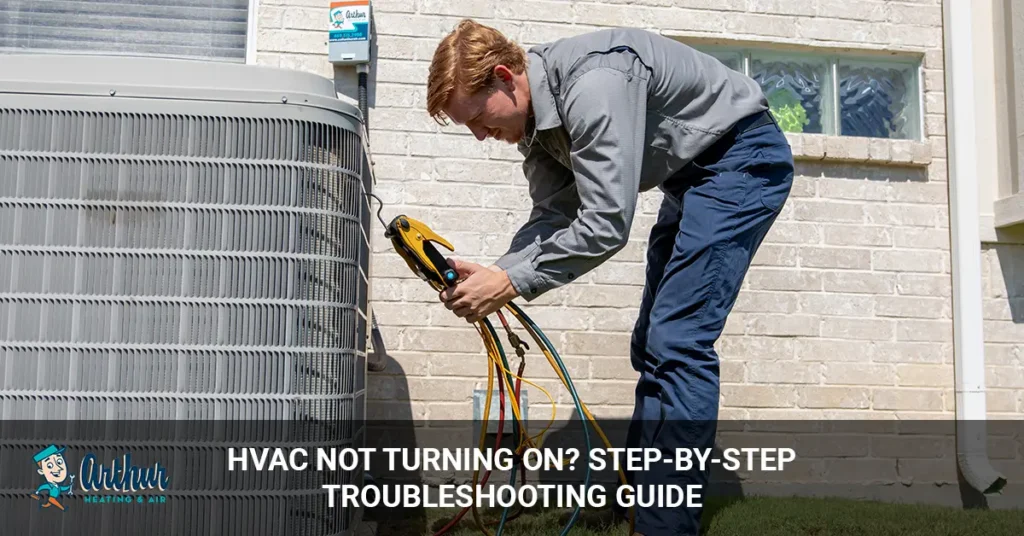
An HVAC system usually stops turning on because of a thermostat problem, power issue, dirty filter, or safety shutdown. In many cases, the problem is simple and can be checked before calling an HVAC technician.
A broken HVAC system can make your home uncomfortable fast, especially during extreme heat or cold. The good news is that some startup problems have quick fixes. A dead thermostat battery, tripped breaker, clogged filter, or blocked drain line can stop the system from running properly.
This guide explains the most common reasons an HVAC system will not turn on, how to troubleshoot the problem step by step, and when it is time to call a professional for repair.
Common Reasons an HVAC System Will Not Turn On
An HVAC system usually will not turn on because of thermostat issues, power problems, airflow restrictions, or built-in safety shutdowns. Even a small problem can prevent the entire system from starting.
Most HVAC systems depend on several components working together correctly. If one part fails, the system may shut down to protect itself from damage. Problems like dead thermostat batteries, dirty air filters, or a tripped breaker are more common than many homeowners realize.
Thermostat Problems
Thermostat problems are one of the most common reasons an HVAC system will not turn on. If the thermostat cannot send the correct signal, the heating or cooling system may stay completely off.
Start by checking the thermostat settings. Make sure it is set to “Heat” or “Cool” and that the temperature is adjusted correctly. Sometimes the issue is as simple as the thermostat being switched to the wrong mode.
Other common thermostat problems include:
- Dead batteries
- Blank thermostat screen
- Loose wiring
- Faulty temperature sensors
- Incorrect programming settings
If the thermostat screen is blank, replace the batteries first. If the display still does not work, check the circuit breaker or HVAC power supply.
A faulty thermostat can stop communication between the HVAC system and the indoor or outdoor unit. When that happens, the system may not respond at all when you try to turn it on.
Tripped Circuit Breaker
A tripped circuit breaker can completely shut down your HVAC system and prevent it from turning on. This is one of the most common electrical problems homeowners face.
HVAC systems use a large amount of electricity, especially when the system starts up. If the electrical system detects an overload or unsafe condition, the breaker automatically shuts off power to protect the equipment.
A breaker may trip because of:
- Power surges
- Compressor problems
- Short circuits
- Loose electrical connections
- Overloaded electrical panels
Start by checking your home’s electrical panel. If the HVAC breaker is in the middle position or switched off, reset it by turning it fully off and then back on.
And if the system starts normally after resetting the breaker, monitor it closely. If the breaker trips again, there may be a larger electrical issue inside the HVAC system.
Repeated breaker trips usually point to problems like a failing compressor, damaged wiring, or an overloaded circuit. In that situation, stop troubleshooting and contact a licensed HVAC technician.
Dirty Air Filter
A dirty air filter can stop an HVAC system from turning on by blocking airflow and causing the system to overheat or freeze up. This is one of the easiest HVAC problems to fix.
When the filter becomes clogged with dust and debris, the system has to work much harder to move air through the home. Poor airflow can trigger built-in safety controls that shut the system down to prevent damage.
Common signs of a dirty air filter include:
- Weak airflow from vents
- Higher energy bills
- Uneven room temperatures
- Ice buildup on the indoor unit
- Dust collecting around vents
Check the air filter if your HVAC system is struggling to start or not running properly. If the filter looks gray, clogged, or covered in dust, replace it with a clean one.
Most homeowners should replace HVAC filters every 1 to 3 months, depending on the filter type, pets, allergies, and indoor air quality. Regular filter changes help improve airflow, reduce strain on the system, and prevent future HVAC problems.
Dirty filters can reduce airflow, freeze coils, and even shut the HVAC system down completely. Learn how often to replace HVAC air filters to help prevent startup and airflow problems.
Furnace or HVAC Power Switch Turned Off
Many homeowners do not realize HVAC systems often have a dedicated power switch near the indoor unit. This switch can accidentally get turned off during cleaning or maintenance.
The switch usually looks similar to a standard light switch and is commonly located:
- Near the furnace
- In utility rooms
- Beside attic HVAC equipment
Clogged Condensate Drain Line
A clogged condensate drain line can shut down your HVAC system by triggering a built-in safety switch. Many air conditioning systems automatically turn off to prevent water damage when the drain line becomes blocked.
As your air conditioner runs, it removes moisture from the air. That water flows through a condensate drain line and safely exits the home. Over time, dirt, dust, mold, and algae can clog the line and stop water from draining properly.
When water starts backing up, the float safety switch shuts the HVAC system down to help prevent leaks and overflow.
Common signs of a clogged drain line include:
- Water leaking near the indoor unit
- Musty odors
- Full or overflowing drain pan
- HVAC system not turning on
- High indoor humidity
Check the area around the indoor HVAC unit for standing water or visible leaks. Some minor clogs can be cleared with a wet/dry vacuum, but severe blockages may require professional cleaning.
Keeping the condensate drain line clean helps prevent water damage, mold growth, and unexpected HVAC shutdowns.
Frozen Evaporator Coil
A frozen evaporator coil can stop your HVAC system from working properly by blocking airflow and reducing heat transfer. In many cases, the system may shut down completely to protect important components.
The evaporator coil absorbs heat from inside your home. When the coil freezes, the HVAC system cannot cool or circulate air efficiently.
Frozen coils are commonly caused by:
- Dirty air filters
- Blocked air vents
- Refrigerant leaks
- Blower motor problems
- Restricted airflow
Ice buildup around the indoor unit is one of the biggest warning signs. You may also notice:
- Weak airflow from vents
- Warm air instead of cool air
- Water leaking around the system
- Unusual noises
- Higher energy bills
Start by turning the HVAC system off to allow the ice to melt completely. Then check the air filter and make sure vents are open and unobstructed.
If the coil freezes again after restarting the system, the problem could involve low refrigerant levels or mechanical failure. In that case, contact a licensed HVAC technician for inspection and repair.
Faulty Capacitor or Contactor
A faulty capacitor or contactor can prevent the outdoor HVAC unit from starting properly. These components help power the compressor and fan motor inside the condenser unit.
The capacitor stores electrical energy and provides the boost needed to start the system. The contactor controls the flow of electricity to the outdoor unit when the thermostat calls for heating or cooling.
When either part starts failing, the HVAC system may struggle to turn on or stop working completely.
Common signs of a failing capacitor or contactor include:
- Clicking sounds from the outdoor unit
- Humming noises
- Outdoor fan not spinning
- Delayed system startup
- Warm air coming from vents
- HVAC system shutting off unexpectedly
You may also notice the indoor system running while the outdoor condenser stays off. This is a common sign of a failed capacitor.
Because capacitors store high-voltage electricity, they can be dangerous even after power is disconnected. Capacitors and contactors should only be inspected or replaced by a licensed HVAC technician.
If you hear unusual noises or the outdoor unit will not start, a professional diagnosis is usually the safest option.
Step-by-Step HVAC Troubleshooting Guide
Many HVAC systems can be diagnosed with a few simple checks before calling a technician. Problems like incorrect thermostat settings, power issues, or dirty filters are often easy to identify.
Homeowners can also use this AC troubleshooting chart to identify common cooling system problems before scheduling professional service.
Start with the basic troubleshooting steps below before assuming the system needs major repair.
Step 1: Check Thermostat Settings
Incorrect thermostat settings are one of the most common reasons an HVAC system will not turn on. A simple setting change can sometimes fix the problem immediately.
Start by checking that:
- The thermostat is set to “Cool” or “Heat”
- The temperature is set correctly
- The fan setting is correct
- The display screen is working
- The batteries still have power
If the thermostat screen is blank, replace the batteries first. If the display still does not turn on, check the HVAC breaker and power supply.
Sometimes the thermostat loses communication with the HVAC system after a power outage or electrical interruption. Resetting the thermostat may restore the connection and allow the system to start normally again.
Also make sure the thermostat is set several degrees above or below the current room temperature so the system receives a clear signal to turn on.
Step 2: Inspect the Circuit Breaker
A tripped circuit breaker can cut power to the HVAC system and stop it from turning on. Checking the breaker is one of the fastest troubleshooting steps homeowners can do safely.
Locate your home’s electrical panel and look for the breaker connected to the HVAC system, furnace, or air conditioner. A tripped breaker is usually stuck in the middle position or switched fully off.
If the breaker is tripped:
- Turn the breaker fully OFF
- Wait a few seconds
- Turn it back ON
After resetting the breaker, try turning the HVAC system on again at the thermostat.
If the breaker trips again immediately, stop troubleshooting. Repeated breaker trips often point to electrical problems such as a failing compressor, damaged wiring, or overloaded circuits.
Never keep resetting a breaker over and over. Doing so can damage the HVAC system and create a serious electrical safety risk. Contact a licensed HVAC technician if the problem continues.
Step 3: Replace or Clean the Air Filter
A dirty air filter can restrict airflow and prevent the HVAC system from running properly. In some cases, the system may overheat or freeze up and shut itself down for protection.
Remove the air filter and inspect it closely. If it looks clogged, dusty, or gray, replace it with a clean filter right away.
Most homes should change HVAC filters:
- Every 1–2 months with basic filters
- Every 2–3 months with higher-quality filters
Homes with pets, allergies, or heavy dust may need more frequent filter changes.
Replacing the filter regularly helps improve airflow, reduce system strain, and prevent common HVAC problems.
Step 4: Check the HVAC Power Switch
A turned-off HVAC power switch can completely stop the system from turning on. Many homeowners accidentally switch it off without realizing it.
Check the area near the furnace or indoor air handler for a power switch that looks similar to a standard light switch.
If the switch is off:
- Turn it back on
- Wait a few minutes
- Test the thermostat again
Also inspect the outdoor disconnect box near the condenser unit to make sure power is connected properly.
Sometimes restoring power is all it takes to get the HVAC system running again.
Step 5: Inspect the Condensate Drain Line
A clogged condensate drain line can trigger a safety shutdown and prevent the HVAC system from starting. This happens when water cannot drain properly from the system.
Check around the indoor unit for signs of excess moisture or water buildup.
Common signs of a clogged drain line include:
- Water leaks near the unit
- Damp floors
- Musty smells
- Overflowing drain pan
Some homeowners use a wet/dry vacuum to clear minor clogs from the drain line. However, severe blockages may require professional cleaning to fully restore drainage and prevent water damage.
Keeping the drain line clean helps the HVAC system operate safely and efficiently.
Step 6: Check the Outdoor Unit
The outdoor condenser unit must have proper airflow and power to run correctly. If the condenser cannot operate, the HVAC system may not cool or start properly.
Inspect the outdoor unit and look for:
- Leaves or debris blocking airflow
- Ice buildup
- Bent or damaged fan blades
- Disconnected power
Clear away grass, dirt, and debris from around the condenser to improve airflow and system performance.
If the outdoor fan does not spin, the unit makes loud noises, or the system shuts down repeatedly, professional HVAC repair may be necessary.
Step 7: Allow Time for System Reset
Some HVAC systems have a built-in delay that prevents the compressor from restarting immediately after power loss. This safety feature helps protect the system from damage.
After resetting the breaker or restoring power:
- Wait 5–10 minutes
- Try turning the system on again
During this delay, the HVAC system may appear inactive even though it is working correctly.
Allowing the reset cycle to finish can sometimes solve the issue without additional repairs.
Signs You Need Professional HVAC Repair
Some HVAC problems require professional repair because they involve electrical components, refrigerant, or major system damage. If basic troubleshooting does not fix the issue, it is usually safest to contact a licensed HVAC technician.
Repeated Breaker Trips
Repeated breaker trips often point to a serious electrical or mechanical problem inside the HVAC system. A breaker should not keep shutting off during normal operation.
Frequent trips may be caused by:
- Compressor failure
- Electrical shorts
- Damaged wiring
- Overloaded circuits
If the breaker continues tripping after being reset once, stop using the system. Continuing to reset the breaker can damage the HVAC equipment and create a safety risk.
Electrical repairs should always be handled by a licensed HVAC professional.
Burning Smells or Smoke
Burning smells or smoke coming from the HVAC system can indicate overheating electrical components or wiring problems. Turn the system off immediately if you notice unusual odors.
Warning signs include:
- Burning smells
- Smoke from vents or equipment
- Melting plastic odors
These symptoms may indicate failing motors, overheating wires, or damaged electrical parts. Ignoring these signs can increase the risk of system damage or electrical hazards.
Contact an HVAC technician right away if you notice burning odors or visible smoke.
Loud Grinding or Buzzing Noises
Loud grinding, buzzing, or rattling noises usually mean something inside the HVAC system is failing or loose. HVAC systems should run relatively smoothly and quietly.
Strange noises may point to:
- Failing motors
- Loose components
- Compressor damage
- Electrical issues
Grinding noises often suggest motor or bearing problems, while buzzing sounds may indicate electrical trouble or failing capacitors.
Ignoring unusual HVAC noises can lead to more expensive repairs later. A professional inspection can help identify the problem before major damage occurs.
Refrigerant Leaks
Refrigerant leaks can prevent the HVAC system from cooling properly and may cause the evaporator coil to freeze. Low refrigerant levels reduce system performance and increase strain on the equipment.
Common signs of refrigerant problems include:
- Ice buildup on the indoor unit
- Warm air from vents
- Hissing or bubbling sounds
- Reduced cooling performance
Refrigerant should only be handled by certified HVAC technicians. Attempting to repair refrigerant lines without proper training can be dangerous and may damage the system further.
If you suspect a refrigerant leak, turn the system off and schedule professional HVAC service.
HVAC System Still Will Not Turn On
If your HVAC system still will not turn on after basic troubleshooting, the problem likely requires professional repair. Some HVAC issues cannot be diagnosed without specialized tools and electrical testing equipment.
Modern HVAC systems contain multiple components that work together, including:
- Control boards
- Capacitors
- Contactors
- Safety switches
- Compressors
- Sensors
- Electrical wiring
If one of these parts fails, the system may completely shut down to prevent further damage.
At this point, it is best to contact a licensed HVAC technician, especially if you notice:
- Repeated breaker trips
- Burning smells
- Loud noises
- Ice buildup
- Water leaks
- No response from the thermostat
A professional technician can safely inspect the system, identify the exact problem, and recommend the right repair before the damage becomes more expensive.
HVAC Problems by System Type
Different HVAC systems can stop working for different reasons. The type of heating or cooling system in your home often helps narrow down the possible cause of the problem.
Central Air Conditioner Not Turning On
A central air conditioner may not turn on because of electrical problems, airflow issues, or failed outdoor components. Many startup problems begin in the outdoor condenser unit.
Common causes include:
- Failed capacitor
- Dirty condenser coils
- Thermostat problems
- Tripped circuit breaker
- Damaged contactor
- Frozen evaporator coil
If the outdoor unit is not running, check the breaker, thermostat settings, and airflow around the condenser before calling for repair.
And if your air conditioner specifically is not responding, this complete guide on AC not turning on troubleshooting explains additional causes like capacitor failure, thermostat communication issues, and outdoor unit problems.
Furnace Not Turning On
A furnace may fail to start because of ignition problems, airflow restrictions, or gas supply issues. Modern furnaces also use safety sensors that can shut the system down when a problem is detected.
Common furnace startup problems include:
- Ignition system failure
- Dirty flame sensor
- Gas supply issues
- Blower motor problems
- Dirty air filters
- Tripped safety switches
If the furnace tries to start but shuts off quickly, the flame sensor or ignition system may need professional cleaning or repair.
Many heating failures are related to ignition problems, dirty flame sensors, or airflow restrictions. These common furnace problems can often prevent a heating system from starting properly.
Heat Pump Not Starting
A heat pump may stop working because of thermostat communication issues, defrost cycle problems, or electrical component failure. Since heat pumps provide both heating and cooling, problems can affect the system year-round.
Common heat pump issues include:
- Defrost cycle failure
- Reversing valve problems
- Thermostat issues
- Frozen outdoor unit
- Electrical problems
Ice buildup on the outdoor unit or inconsistent heating and cooling are common warning signs.
If your heat pump runs but does not produce enough warm air, these common heat pump not heating issues may help explain the problem.
Mini Split Not Turning On
A mini split system may not turn on because of power interruptions, sensor problems, or drainage issues. Some systems also shut down automatically when they detect abnormal operation.
Common mini split problems include:
- Remote control failure
- Sensor malfunctions
- Power supply issues
- Clogged drain lines
- Communication errors between units
Start by checking the remote batteries, power supply, and indoor display lights. If the system still does not respond, professional diagnostics may be needed.
Ductless systems can also experience airflow, sensor, and drainage issues. This mini split troubleshooting guide covers some of the most common causes.
How to Prevent HVAC Startup Problems
Regular HVAC maintenance helps prevent unexpected breakdowns and startup problems. Simple maintenance steps can improve system performance, lower energy costs, and extend the life of your heating and cooling equipment.
Replace Filters Regularly
Replacing the air filter regularly helps the HVAC system run efficiently and prevents airflow problems. A clean filter reduces strain on the system and improves indoor comfort.
Clean filters help improve:
- Airflow
- Energy efficiency
- Indoor air quality
- HVAC system lifespan
Most homeowners should replace filters every 1 to 3 months, depending on filter type, pets, allergies, and household dust levels.
Schedule Seasonal HVAC Maintenance
Seasonal HVAC maintenance helps catch small problems before they turn into expensive repairs. Professional inspections also help keep the system running safely and efficiently.
A typical HVAC tune-up may include:
- Electrical inspections
- Coil cleaning
- Refrigerant level checks
- Thermostat testing
- Airflow inspection
- Drain line cleaning
Scheduling maintenance before summer and winter can help reduce the risk of sudden system failures during extreme weather.
Keep Outdoor Units Clean
The outdoor condenser unit needs proper airflow to work correctly. Dirt, leaves, and debris around the unit can reduce efficiency and increase strain on the system.
Keep at least two feet of open space around the outdoor condenser. Regularly remove:
- Leaves
- Grass clippings
- Dirt buildup
- Branches and debris
Good airflow helps the HVAC system cool more efficiently and reduces wear on important components.
Check Thermostat Batteries
Dead thermostat batteries are a simple but common reason HVAC systems stop responding. Replacing the batteries regularly can help prevent sudden startup problems.
Replace thermostat batteries at least once a year or whenever the display becomes dim or unresponsive.
Monitor the Condensate Drain
A clogged condensate drain line can shut down the HVAC system and cause water damage. Routine drain line maintenance helps prevent blockages and float switch activation.
Watch for signs of drainage problems, including:
- Water leaks
- Musty odors
- Standing water near the unit
- High indoor humidity
Keeping the drain line clean helps the HVAC system operate safely and reliably year-round.
DIY HVAC Troubleshooting Safety Tips
Safety should always come first when troubleshooting an HVAC system. While some basic checks are safe for homeowners, electrical and refrigerant repairs should only be handled by trained professionals.
Turn Off Power Before Inspection
Always turn off power to the HVAC system before inspecting indoor components. This helps reduce the risk of electrical shock and protects the equipment from accidental damage.
Use the thermostat and circuit breaker to fully disconnect power before checking:
- Air filters
- Indoor units
- Drain lines
- Furnace compartments
Never inspect internal HVAC parts while the system is running.
Avoid Electrical Repairs
Electrical HVAC repairs can be dangerous without proper training and tools. Some components store high-voltage electricity even after the power is turned off.
Do not attempt:
- Capacitor replacement
- Wiring repairs
- Compressor repairs
- Control board replacement
Incorrect electrical repairs can damage the HVAC system and create serious safety risks. Contact a licensed HVAC technician for electrical problems.
Never Handle Refrigerant
Refrigerant should only be handled by certified HVAC professionals. Exposure to refrigerant can be hazardous and may cause injury if handled incorrectly.
Refrigerant repairs require:
- Specialized tools
- Leak detection equipment
- EPA-certified handling procedures
If you suspect a refrigerant leak, turn the system off and schedule professional service.
Know When to Stop Troubleshooting
Some HVAC problems require immediate professional repair. Continuing to run or troubleshoot the system can make the damage worse.
Contact an HVAC technician immediately if you notice:
- Electrical burning smells
- Repeated breaker trips
- Refrigerant leaks
- Loud grinding or buzzing noises
- Smoke or sparks
- Ice buildup returning repeatedly
Knowing when to stop troubleshooting can help protect both your HVAC system and your home’s safety.
When to Repair vs Replace an HVAC System
Replacing an HVAC system is often the better option when repairs become frequent, expensive, or the system is reaching the end of its lifespan. While some problems can be fixed easily, older systems may continue breaking down even after repairs.
In many cases, replacement may be worth considering if:
- The HVAC system is over 10–15 years old
- Repair costs keep adding up
- Energy bills continue increasing
- Major components have failed
- The system struggles to heat or cool the home evenly
Large repairs involving compressors, heat exchangers, or refrigerant leaks can become costly, especially in older systems.
Newer HVAC systems usually provide:
- Better energy efficiency
- More consistent indoor comfort
- Lower monthly operating costs
- Quieter performance
- Improved airflow and temperature control
If your HVAC system needs constant repairs or no longer performs efficiently, a professional inspection can help determine whether repair or replacement makes more financial sense.
In some situations, replacing the system early can help homeowners avoid repeated breakdowns and reduce long-term energy expenses.
Frequently Asked Questions
Why is my HVAC system not turning on?
An HVAC system usually will not turn on because of thermostat problems, tripped breakers, dirty air filters, clogged drain lines, or failed electrical components. Start by checking the thermostat settings, circuit breaker, and air filter before calling for repair.
Can a dirty filter stop an HVAC system from working?
Yes, a dirty air filter can stop an HVAC system from working properly. Restricted airflow can cause overheating or frozen coils, which may trigger built-in safety shutdowns and prevent the system from turning on.
Why is my thermostat blank?
A blank thermostat often means there is a power problem. Common causes include dead batteries, tripped breakers, wiring issues, or loss of power to the HVAC system.
Should I reset my HVAC system?
Resetting the HVAC system can sometimes solve temporary problems caused by power interruptions or breaker trips. However, if the system keeps shutting down after being reset, there may be a larger electrical or mechanical issue that requires professional repair.
How much does HVAC repair cost?
HVAC repair costs vary depending on the problem, system type, and damaged components. Minor repairs are usually less expensive than major repairs involving compressors, electrical systems, or refrigerant leaks.
When should I call an HVAC technician?
You should call an HVAC technician if basic troubleshooting does not restore operation or if you notice warning signs like burning smells, refrigerant leaks, repeated breaker trips, loud noises, or ice buildup on the system.
Final Thoughts
An HVAC system that will not turn on does not always mean there is a major system failure. Many common HVAC problems are caused by simple issues like thermostat settings, dirty air filters, tripped breakers, or clogged drain lines.
Following a step-by-step troubleshooting process can help homeowners identify small problems quickly and safely. In many cases, basic maintenance or a simple reset may restore normal operation without expensive repairs.
However, some HVAC problems should never be ignored. Electrical issues, refrigerant leaks, burning smells, loud noises, and repeated system shutdowns often require professional repair.
If your HVAC system still will not turn on after basic troubleshooting, contact a licensed HVAC technician to inspect the system and prevent further damage.