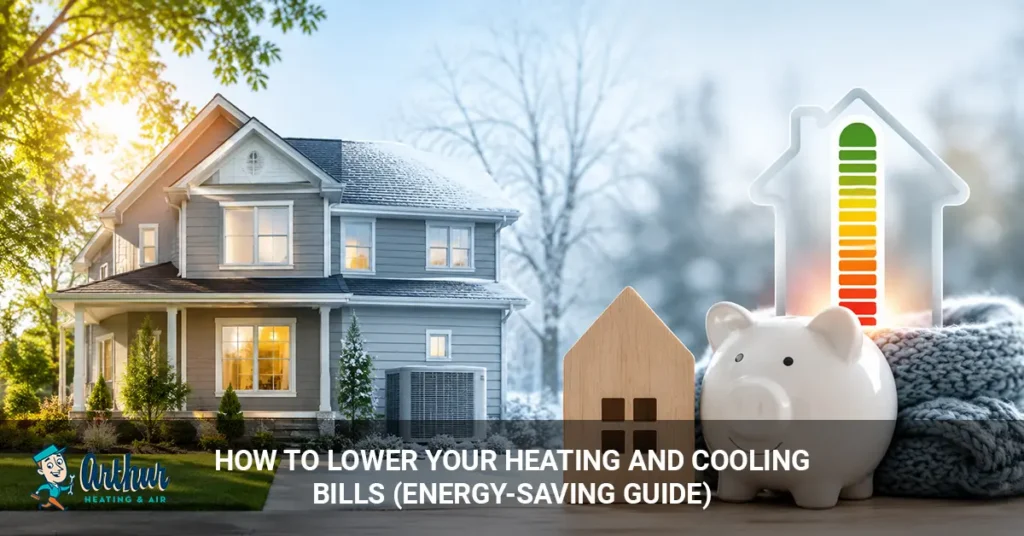
Heating and cooling costs are one of the biggest monthly expenses for many homeowners. When an HVAC system has to work harder than it should, energy bills can rise quickly, especially during very hot summers and cold winters.
Many homes lose energy because of poor insulation, dirty HVAC filters, air leaks, or inefficient thermostat settings. Even small problems can force the heating and cooling system to run longer and use more electricity every day.
The good news is that lowering heating and cooling bills does not always require major upgrades. Small improvements to airflow, maintenance, insulation, and thermostat habits can make a noticeable difference in both comfort and energy costs.
Understanding where energy waste happens is one of the best ways to improve HVAC efficiency and reduce monthly utility bills over time.
Why Heating and Cooling Bills Get So High
Heating and cooling bills usually get higher because the HVAC system is working harder than necessary to keep the home comfortable. Poor insulation, air leaks, dirty filters, duct leaks, and older HVAC equipment are some of the most common reasons energy costs increase.
When heated or cooled air escapes through gaps, leaks, or poorly insulated areas, the HVAC system has to run longer to maintain indoor temperatures. This extra runtime increases electricity and energy usage throughout the year.
Older HVAC systems and neglected maintenance can also reduce efficiency over time. Dirty components, restricted airflow, and worn parts often make the system work harder while delivering less effective heating and cooling.
In many homes, several small efficiency problems combine together and create much higher monthly utility bills.
Adjust Your Thermostat Settings
Thermostat settings have a major impact on heating and cooling costs. Even small temperature adjustments can lower energy usage without making the home feel uncomfortable.
Best Summer Thermostat Settings
During summer, setting the thermostat slightly higher can help reduce air conditioning costs significantly. Many homeowners keep the thermostat around 78°F when home and raise it a few degrees when away to reduce unnecessary cooling.
Using ceiling fans can also help rooms feel cooler without lowering the thermostat further.
Best Winter Thermostat Settings
During winter, lowering the thermostat a few degrees can help reduce heating costs. Many homes remain comfortable around 68°F during colder months.
Wearing warmer clothing indoors and using proper insulation can help maintain comfort while using less heat.
Benefits of Programmable Thermostats
Programmable thermostats automatically adjust temperatures based on daily schedules. This helps reduce HVAC usage when nobody is home or during sleeping hours.
By reducing unnecessary heating and cooling, programmable thermostats can help lower monthly energy bills over time. Smart systems can provide additional benefits through smart thermostat energy savings and automated temperature control.
Smart Thermostat Energy Savings
Smart thermostats can improve energy efficiency even more by learning household temperature habits and adjusting settings automatically throughout the day.
Many smart thermostats also provide energy reports and remote control features that help homeowners manage heating and cooling usage more efficiently.
Replace HVAC Air Filters Regularly
Replacing HVAC air filters regularly is one of the easiest ways to lower heating and cooling costs. Dirty filters restrict airflow and force the HVAC system to work harder to move air throughout the home.
When airflow becomes restricted, the system uses more energy, and heating and cooling efficiency start to drop. Over time, clogged filters can also place extra strain on HVAC equipment and increase wear on the system.
Dirty filters may also:
- Reduce indoor comfort
- Increase HVAC strain
- Causes uneven airflow
- Lower indoor air quality
Most homeowners should replace HVAC filters every one to three months, depending on the filter type, pets inside the home, and indoor dust levels. Homes with pets or allergies may need more frequent filter changes.
This guide explains how often replace HVAC air filter for better HVAC efficiency and airflow.
Seal Air Leaks Around the Home
Sealing air leaks around the home can help lower heating and cooling bills by preventing conditioned air from escaping outside. When air leaks are present, the HVAC system must run longer to maintain comfortable indoor temperatures.
Windows and Doors
Small gaps around windows and doors are some of the most common sources of energy loss. Even tiny openings can allow heated or cooled air to escape throughout the day.
Attic Air Leaks
Attic air leaks can allow outdoor heat or cold air to enter the home easily. During summer, hot attic air can increase cooling costs significantly, while winter leaks can let warm indoor air escape.
Crawl Space and Basement Gaps
Leaks in crawl spaces and basements can also affect indoor comfort and HVAC efficiency. Unsealed gaps may allow outside air, humidity, and temperature changes to enter the home.
Weatherstripping Benefits
Weatherstripping and caulking help seal gaps around windows, doors, and other openings. These simple improvements can reduce energy loss, improve comfort, and lower HVAC workload over time.
Improve Home Insulation
Proper home insulation helps keep indoor temperatures more stable and reduces how hard the HVAC system has to work. Better insulation slows down heat transfer, which helps homes stay cooler in summer and warmer in winter.
Attic insulation is especially important because large amounts of heat can enter or escape through the roof. Poor insulation often forces heating and cooling systems to run much longer throughout the year.
Improving insulation may help:
- Lower utility bills
- Improve indoor comfort
- Reduce temperature swings
- Improve HVAC efficiency
Well-insulated homes usually maintain temperatures more consistently, which helps reduce energy waste and unnecessary HVAC runtime.
Seal Leaky Air Ducts
Sealing leaky air ducts can help reduce energy waste by keeping heated and cooled air inside the duct system until it reaches the rooms in your home. When ducts leak, the HVAC system has to work harder to replace the lost air.
Duct leaks commonly happen in:
- Attics
- Crawl spaces
- Basements
- Duct joints and seams
Leaky ducts can also cause uneven temperatures, weak airflow, and rooms that never feel comfortable.
Professional duct sealing may improve airflow, reduce strain on the HVAC system, and help lower monthly heating and cooling bills over time. Homeowners can also learn more about the benefits of duct sealing for energy efficiency.
Schedule Regular HVAC Maintenance
Regular HVAC maintenance helps heating and cooling systems run more efficiently and use less energy. Routine service can improve airflow, reduce system strain, and help prevent expensive repairs later.
AC Tune-Ups
Air conditioning tune-ups help improve cooling performance and energy efficiency during hot weather. Cleaning and inspecting the system regularly can help the AC cool the home more effectively while using less electricity.
Furnace Maintenance
Furnace maintenance helps ensure safe and efficient heating during colder months. Regular inspections can identify worn parts, airflow problems, or heating issues before they become serious.
Cleaning Coils and Components
Dirty coils and internal HVAC components can reduce airflow and force the system to work harder. Cleaning these parts helps improve efficiency and overall system performance.
Preventing System Inefficiency
Routine maintenance helps catch small problems early before they increase energy costs or lead to major HVAC breakdowns. Well-maintained systems usually last longer and operate more efficiently over time. Regular HVAC tune ups improve energy efficiency and help systems run more effectively year-round.
Use Ceiling Fans to Reduce HVAC Usage
Ceiling fans can help reduce heating and cooling costs by improving air circulation throughout the home. Better airflow helps rooms feel more comfortable without forcing the HVAC system to work as hard.
During summer, ceiling fans help create a cooling effect that can make rooms feel cooler even when the thermostat is set slightly higher. This may help reduce air conditioning usage and lower energy bills.
During winter, reversing the fan direction can help push warm air downward and distribute heat more evenly throughout the room. This can improve comfort and reduce heating demand during colder months.
Upgrade to Energy-Efficient HVAC Equipment
Upgrading to energy-efficient HVAC equipment can help lower heating and cooling bills by reducing the amount of energy needed to heat and cool the home. Older HVAC systems often use much more electricity than newer high-efficiency models.
Modern systems with higher efficiency ratings may:
- Reduce utility bills
- Improve indoor comfort
- Provide more consistent airflow
- Lower long-term operating costs
High-efficiency HVAC systems usually cost more upfront, but many homeowners save money over time through lower monthly energy bills and improved system performance.
Newer systems may also operate more quietly and maintain indoor temperatures more evenly throughout the home.
Keep Vents and Registers Unblocked
Keeping vents and registers unblocked helps improve airflow and allows the HVAC system to heat and cool the home more efficiently. When vents are blocked, the system has to work harder to move air throughout the house.
Furniture, rugs, curtains, and storage boxes often block airflow without homeowners realizing it. Restricted airflow can lead to uneven room temperatures and higher energy usage.
Keeping vents open and unobstructed helps improve balanced airflow, reduce HVAC strain, and maintain more consistent indoor comfort throughout the home.
Reduce Heat Gain Inside the Home
Reducing heat buildup inside the home can help lower air conditioning costs during hot weather. Less indoor heat means the HVAC system does not need to work as hard to keep rooms comfortable.
Use Curtains and Blinds
Closing curtains and blinds during the hottest parts of the day helps block sunlight and reduce solar heat entering the home through windows.
Reduce Appliance Heat
Large appliances like ovens, dryers, and dishwashers generate extra indoor heat while running. Reducing appliance use during peak heat hours may help lower indoor temperatures.
Cook During Cooler Hours
Cooking during cooler morning or evening hours can help prevent unnecessary heat buildup inside the home during hot afternoons.
Window Film Benefits
Window films can help reduce heat transfer through glass windows and improve indoor comfort. Some films also help reduce glare and improve energy efficiency during the summer months.
Improve Indoor Humidity Control
Indoor humidity plays a major role in both comfort and HVAC efficiency. When humidity levels are too high, indoor air often feels warmer and heavier, which can cause homeowners to lower thermostat settings unnecessarily.
Proper humidity control may help:
- Improve comfort
- Reduce cooling demand
- Lower mold risk
- Improve indoor air quality
Keeping indoor humidity balanced can help the home feel cooler without overworking the air conditioning system.
In some homes, dehumidifiers may help reduce excess indoor moisture and improve overall comfort during humid weather.
Signs Your HVAC System Is Wasting Energy
Several warning signs can indicate that your HVAC system is wasting energy and working less efficiently than it should. Catching these problems early can help reduce higher utility bills and prevent larger system issues later.
Common signs include:
- Rising utility bills
- Uneven temperatures
- Constant HVAC cycling
- Weak airflow
- Excess dust or humidity
If multiple problems appear at the same time, the HVAC system may need maintenance, airflow improvements, or professional inspection.
Older systems, dirty filters, duct leaks, and worn components are some of the most common causes of HVAC energy waste.
DIY Energy Saving Tips vs Professional HVAC Improvements
Some energy-saving improvements are simple for homeowners to handle on their own. Tasks like replacing HVAC filters, sealing small air leaks, adjusting thermostat settings, and keeping vents unblocked can help improve efficiency and lower energy bills.
However, professional HVAC inspections can identify deeper problems that are harder to detect without specialized tools and experience. Issues like duct leakage, airflow imbalance, insulation problems, or aging HVAC equipment may continue wasting energy even after basic DIY improvements.
In some homes, professional energy audits can help locate hidden sources of energy loss and recommend long-term efficiency upgrades that reduce heating and cooling costs more effectively.
How Much Can You Save by Improving HVAC Efficiency?
Improving HVAC efficiency can help lower monthly heating and cooling bills significantly over time. The amount homeowners save depends on how much energy the home is currently wasting and which efficiency improvements are made.
Savings often vary based on:
- Home insulation
- HVAC system age
- Local climate
- Duct condition
- Thermostat habits
Small improvements like replacing filters, sealing air leaks, and adjusting thermostat settings may already reduce energy costs noticeably.
Larger upgrades such as duct sealing, insulation improvements, or installing high-efficiency HVAC equipment can provide even greater long-term savings.
In many homes, combining multiple energy-saving improvements usually delivers the biggest reduction in heating and cooling costs.
When to Call an HVAC Professional
You should contact an HVAC professional if your heating and cooling bills continue rising or the system is no longer keeping the home comfortable efficiently. Persistent HVAC problems often indicate deeper airflow, equipment, or efficiency issues.
Professional service is especially important if:
- Energy bills keep rising
- Airflow problems continue
- Rooms stay unevenly heated or cooled
- The HVAC system cycles constantly
- The system is older and inefficient
An HVAC technician can inspect the system, check airflow, identify duct leaks, test components, and find efficiency problems that may be increasing energy costs unnecessarily.
Early professional maintenance or repairs can often improve efficiency, lower utility bills, and help prevent more expensive HVAC breakdowns later.
Final Thoughts
Lowering heating and cooling bills often starts with small changes that reduce unnecessary energy waste throughout the home. Better thermostat habits, regular HVAC maintenance, improved insulation, sealed air leaks, and balanced airflow can all help lower monthly energy costs.
Many homeowners see the best results when combining several efficiency improvements instead of relying on only one solution. Even simple upgrades like replacing filters or sealing duct leaks can make a noticeable difference over time.
Regular HVAC maintenance and early repairs also help heating and cooling systems operate more efficiently, reduce system strain, and prevent higher utility bills later.