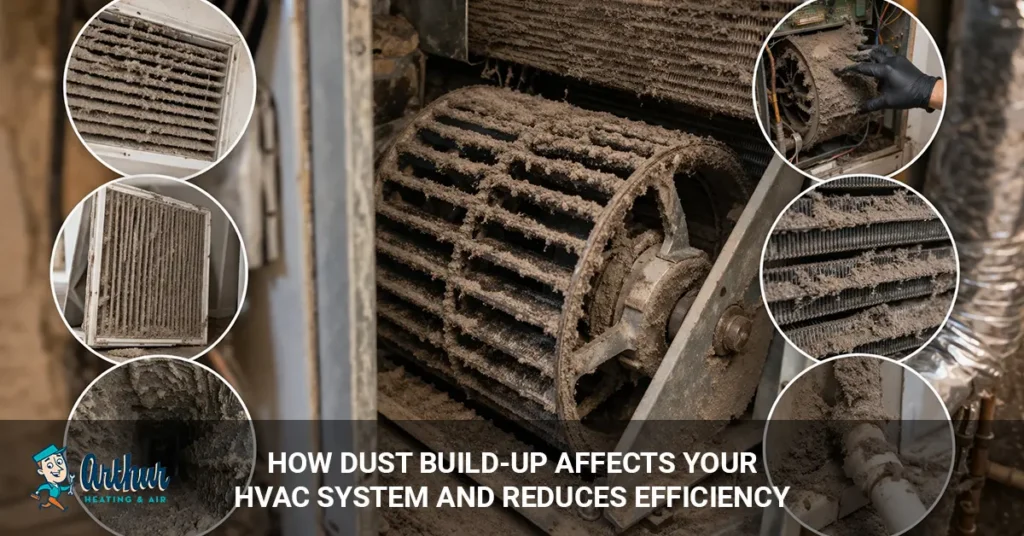
Dust build-up reduces your HVAC system’s efficiency by blocking airflow and making it work harder than it should. When dust collects inside your system, it slows everything down and increases energy use. Most homeowners don’t
Your home smells musty because there is moisture or mold somewhere in your HVAC system or indoor air. This smell is usually a sign that something isn’t working the way it should. Many homeowners notice
Duct sealing improves your home’s comfort and lowers energy waste by stopping air leaks in your HVAC system. When ducts are sealed properly, air goes where it should, not into walls, attics, or crawl spaces.
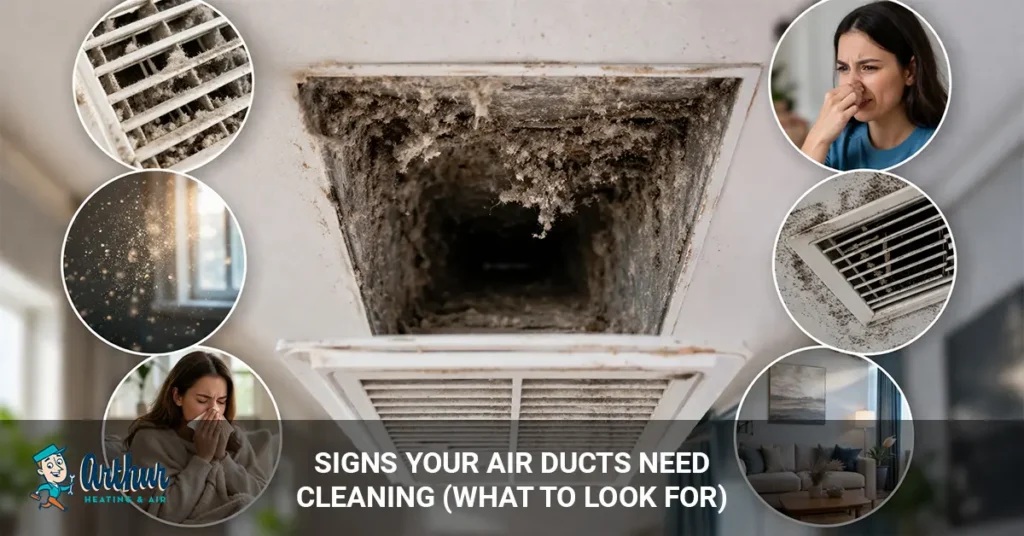
You need air duct cleaning when you start noticing dust buildup, poor air quality, or weak airflow in your home. These are clear signs that your HVAC system may be circulating dirt and debris. Most
You should clean your air ducts every 3 to 5 years in most homes. The exact timing depends on how you live, your air quality, and what’s happening inside your home. Most people don’t think
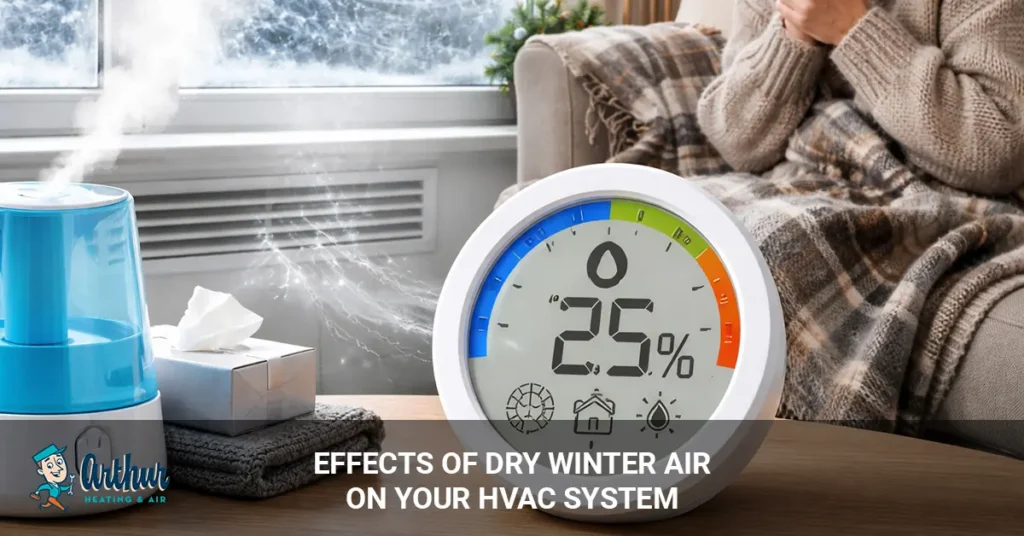
If your home feels colder than it should in winter, dry air is likely the reason. Cold air holds very little moisture, and once it’s heated inside, it becomes even drier. Dry winter air affects
If your home feels too sticky or too dry, your humidity is likely out of balance. This can affect how comfortable you feel, your health, and even your home. Poor humidity means there is either
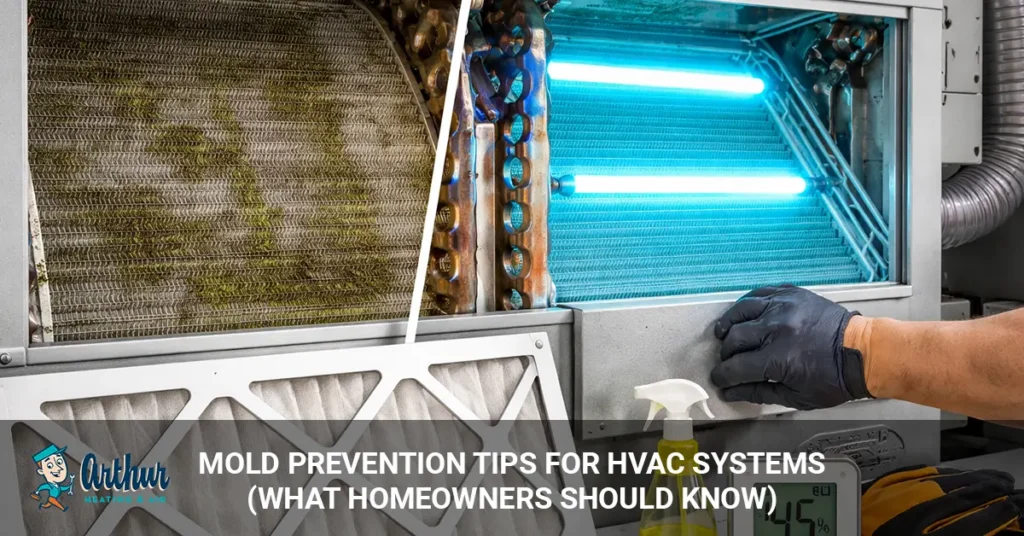
If your home smells musty or your allergies are getting worse, your HVAC system could be the cause. Mold often grows inside the system when moisture and dust build up. Mold in HVAC systems forms
If your home feels sticky in summer or dry in winter, humidity is the reason. The amount of moisture in your indoor air directly affects how comfortable your home feels. Humidity impacts how you breathe,
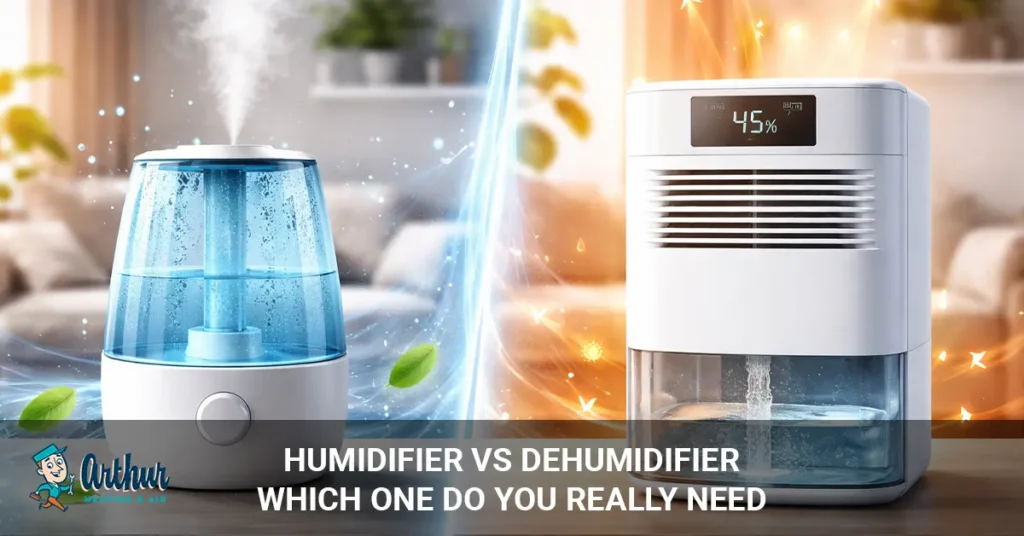
If your home feels too dry or too damp, your humidity level is likely the issue. It affects your comfort, your health, and even your home. A humidifier adds moisture to dry air, while a