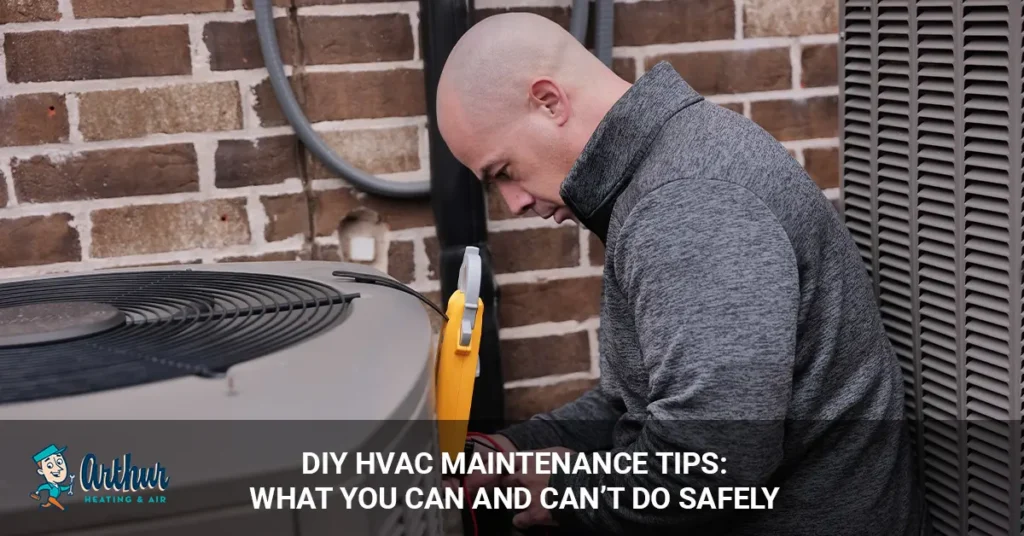
DIY HVAC maintenance helps you keep your system running efficiently, but only some tasks are safe to handle yourself. Knowing what to do and what to avoid can prevent damage and save money. Many homeowners
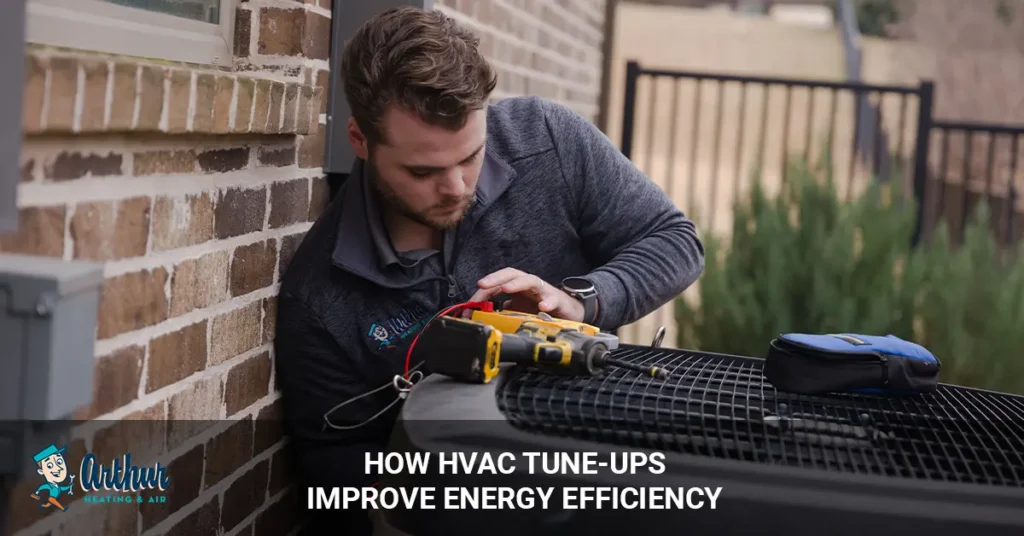
HVAC tune-ups improve energy efficiency by helping your system run clean, balanced, and properly adjusted. This allows it to use less energy to heat or cool your home. Over time, dirt, wear, and small issues
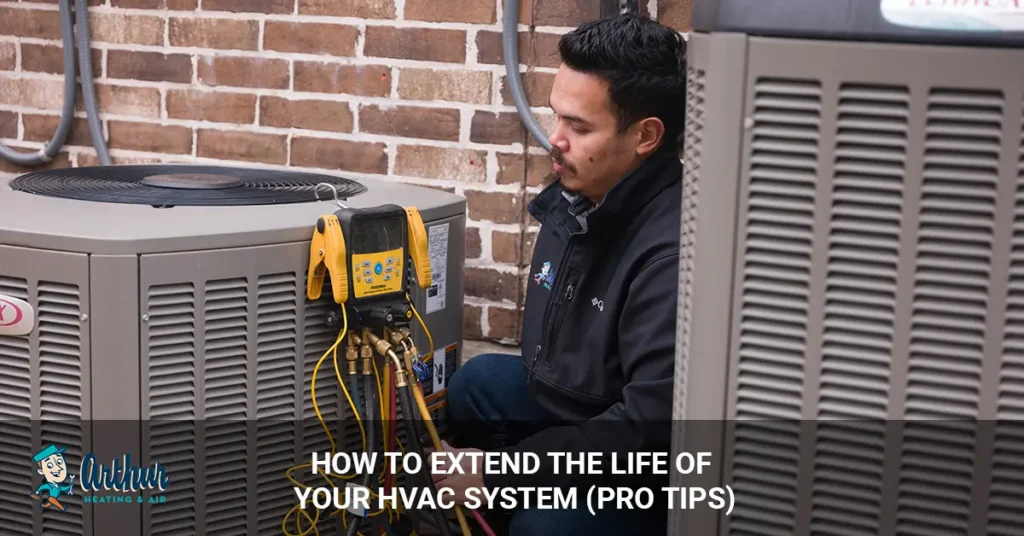
You can extend the life of your HVAC system with simple care and regular maintenance. Small actions done on time can prevent major problems later. Your system may keep running without maintenance, but it will
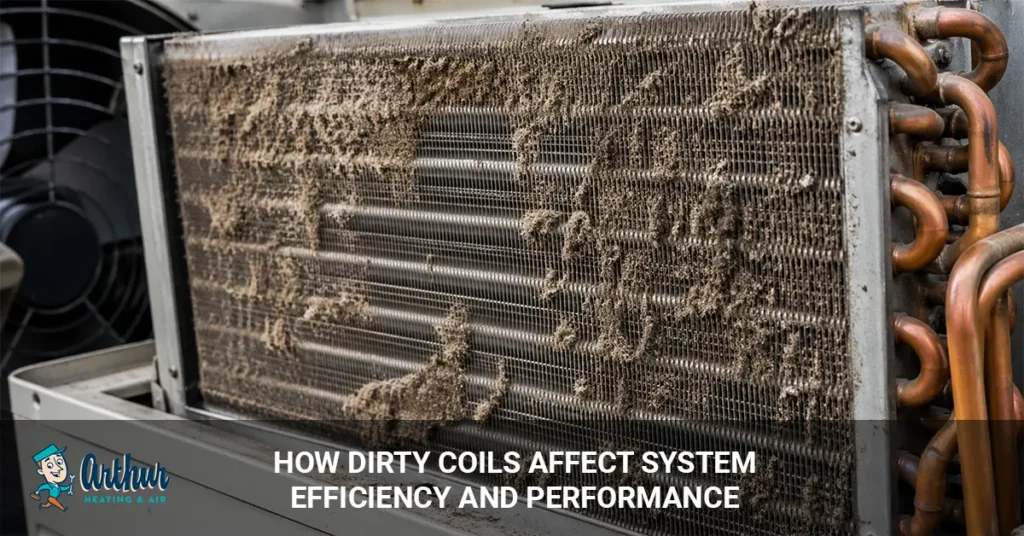
Dirty coils reduce your HVAC system’s efficiency and make it work harder than it should. This leads to higher energy bills, weaker cooling, and faster wear on important parts. Your system may still run, but
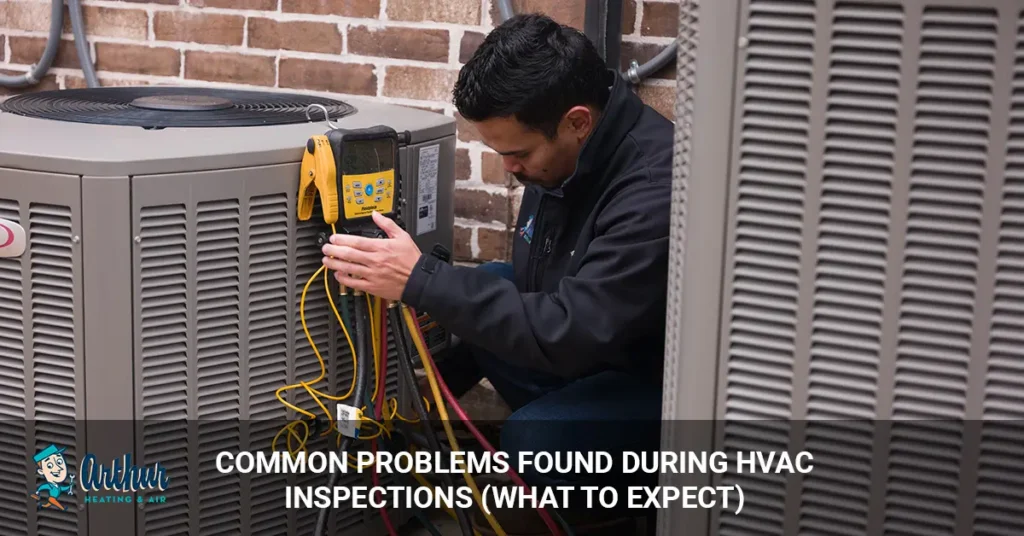
Your HVAC system can look fine, but still have hidden problems. These issues can raise your energy bills, reduce comfort, and lead to expensive repairs. Routine inspections help catch these problems early. A trained technician
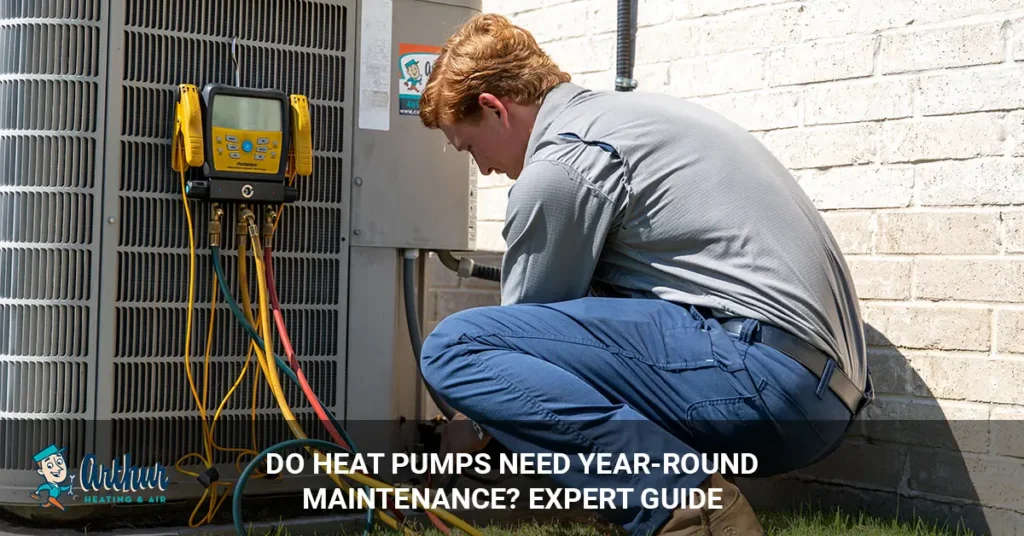
Heat pumps need year-round maintenance because they run in both heating and cooling modes. Unlike other systems, a heat pump works almost all the time. This means more wear on parts and a higher need
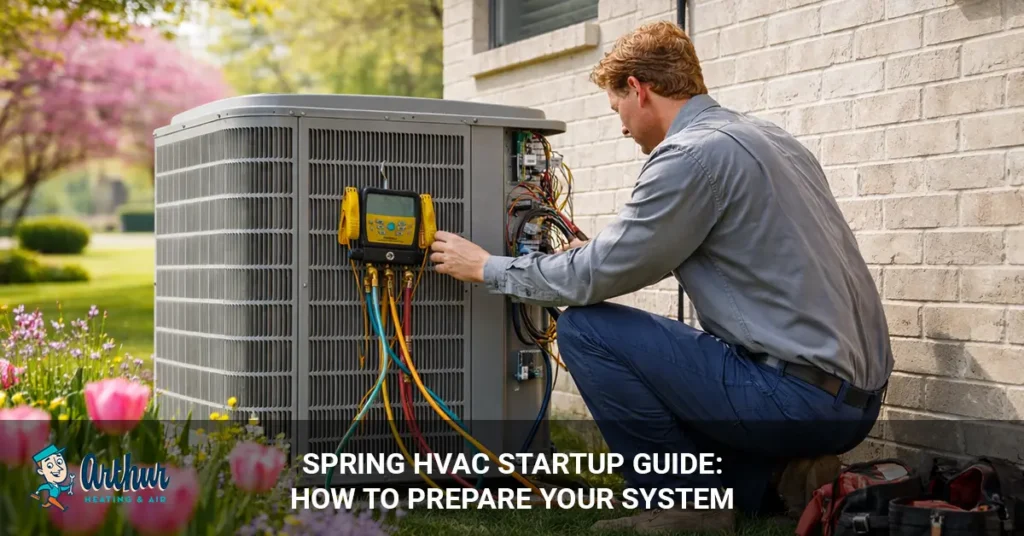
A spring HVAC startup helps your system get ready for cooling and prevents problems during hot weather. After winter, your system may have dust buildup or small issues from sitting unused. Starting it properly in
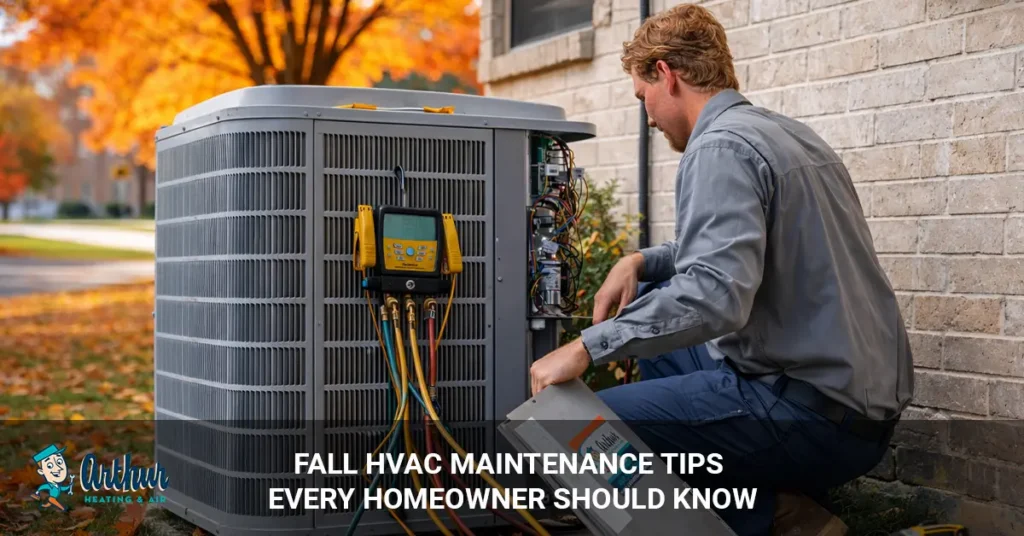
Fall HVAC maintenance helps you prepare your system for winter and avoid breakdowns when you need heat the most. Many homeowners wait until it gets cold. That’s when problems usually show up. A few simple
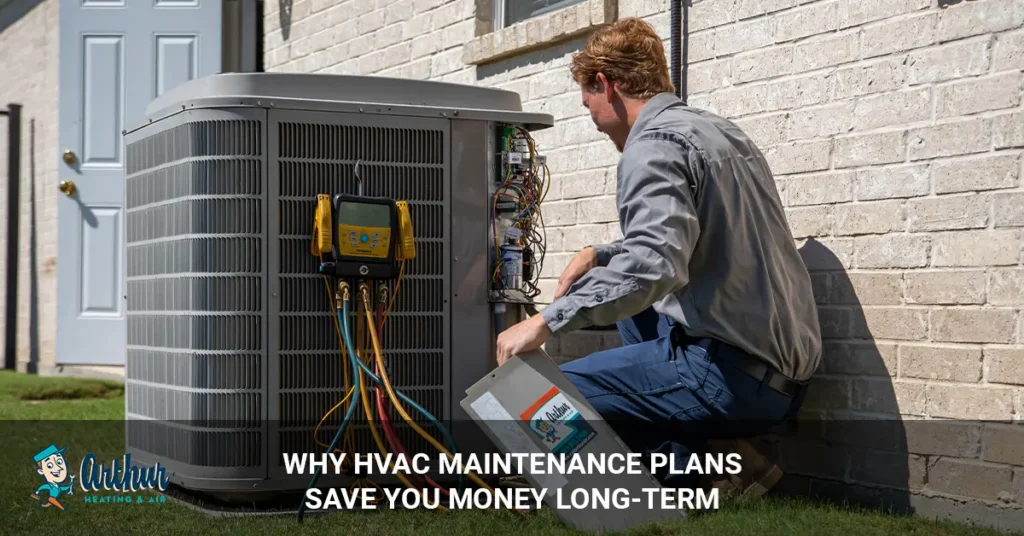
HVAC maintenance plans save you money by preventing costly repairs, improving efficiency, and extending the life of your system. Many homeowners wait until something breaks. But emergency repairs and full system replacements can be very
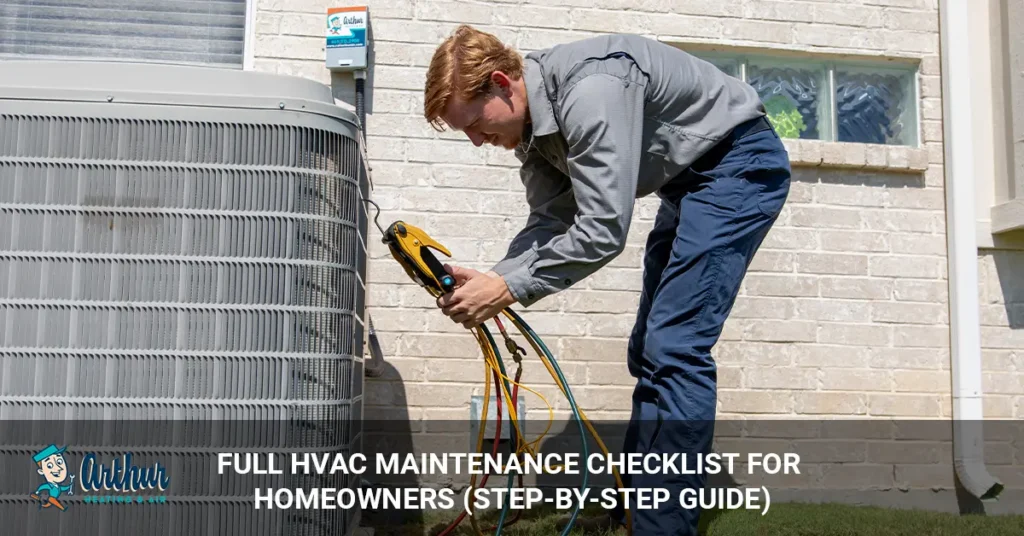
An HVAC maintenance checklist helps you keep your heating and cooling system running smoothly and avoid costly repairs. Many homeowners skip regular maintenance. But small problems can quickly turn into expensive breakdowns if you ignore