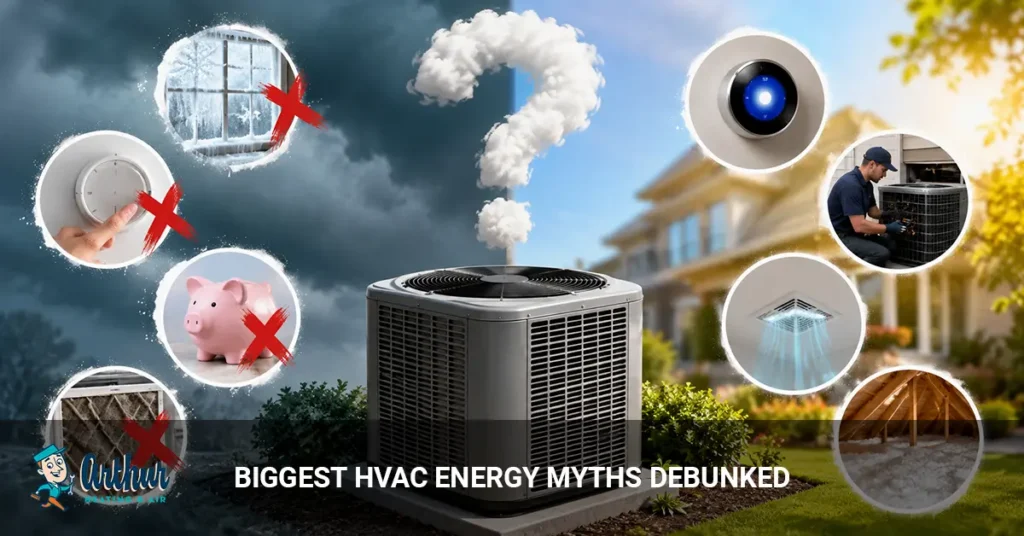
Many homeowners follow HVAC advice that sounds helpful but actually wastes energy and reduces system efficiency. Common HVAC myths can lead to higher utility bills, uneven indoor comfort, and unnecessary strain on heating and cooling
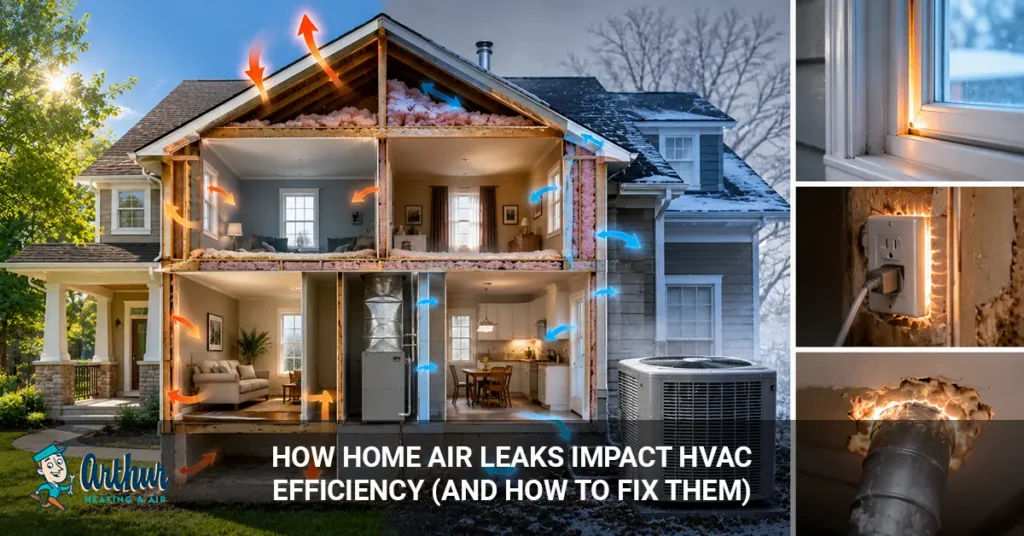
Home air leaks can reduce HVAC efficiency by allowing heated and cooled air to escape from the house. Small gaps and cracks around the home force heating and cooling systems to work harder to maintain
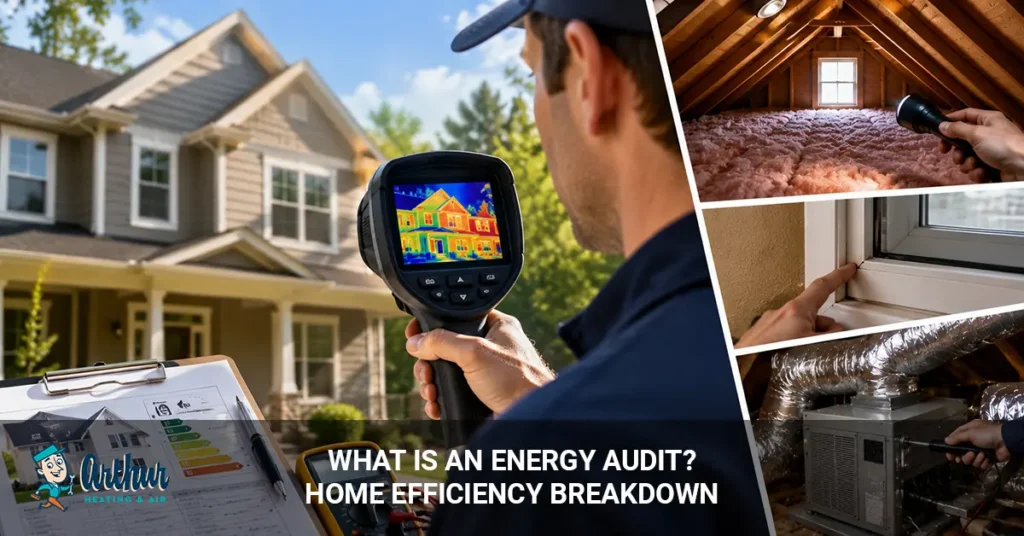
An energy audit is a professional home inspection that shows how efficiently your home uses energy. It helps identify areas where energy is being wasted and explains why heating and cooling costs may be higher
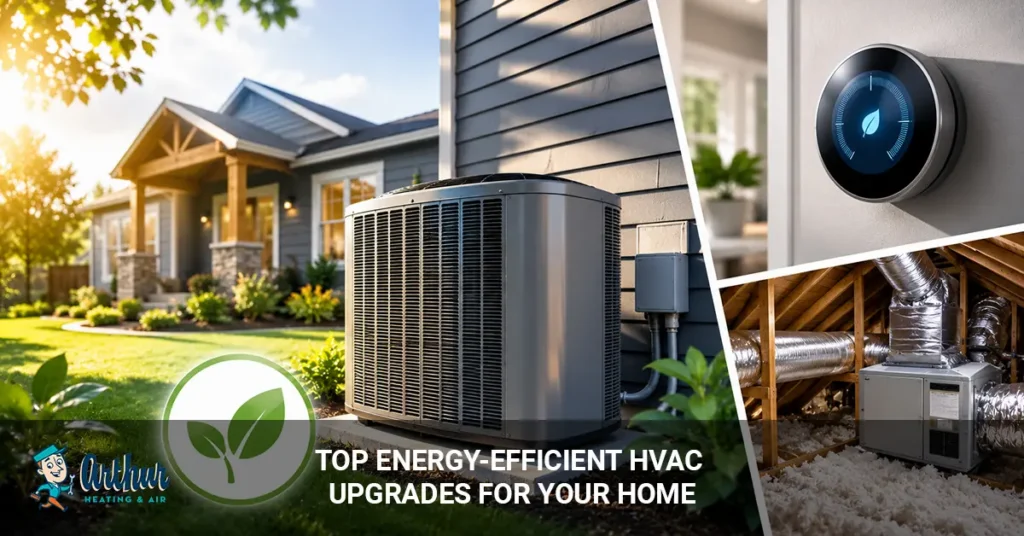
Energy-efficient HVAC upgrades help lower energy bills, improve indoor comfort, and reduce strain on your heating and cooling system. Many homes lose energy every day because of outdated HVAC equipment, poor insulation, air leaks, or
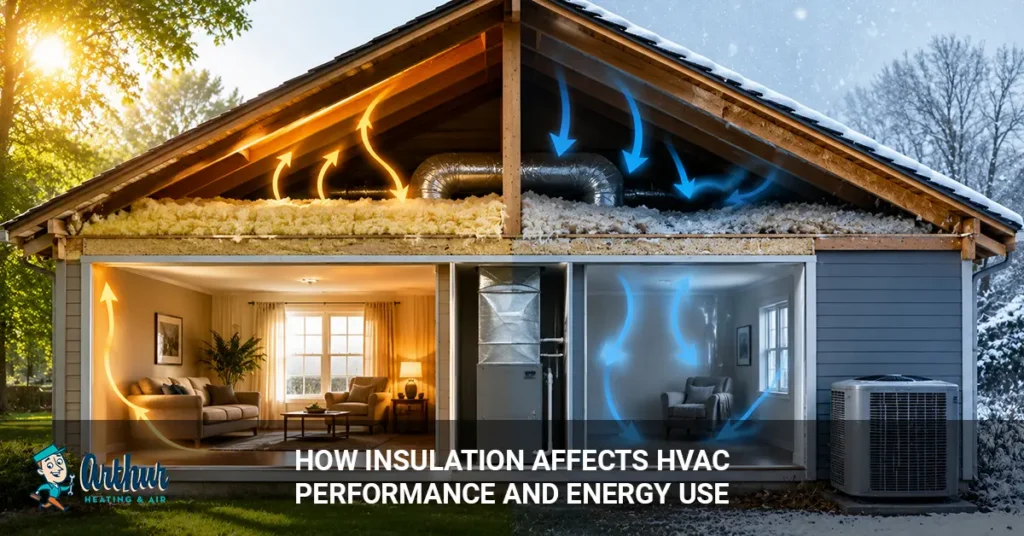
Your home’s insulation plays a major role in how efficiently your HVAC system heats and cools your home. Good insulation helps keep indoor temperatures stable, so your heating and cooling system does not need to
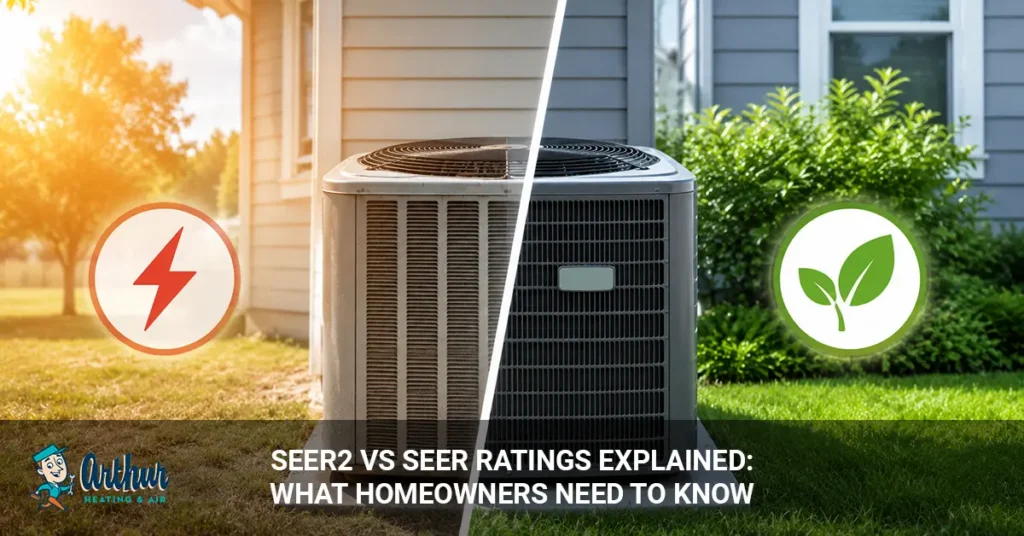
SEER and SEER2 ratings measure how efficiently an air conditioner or heat pump cools a home. These efficiency ratings help homeowners compare HVAC systems, estimate energy usage, and understand long-term operating costs. Many homeowners now
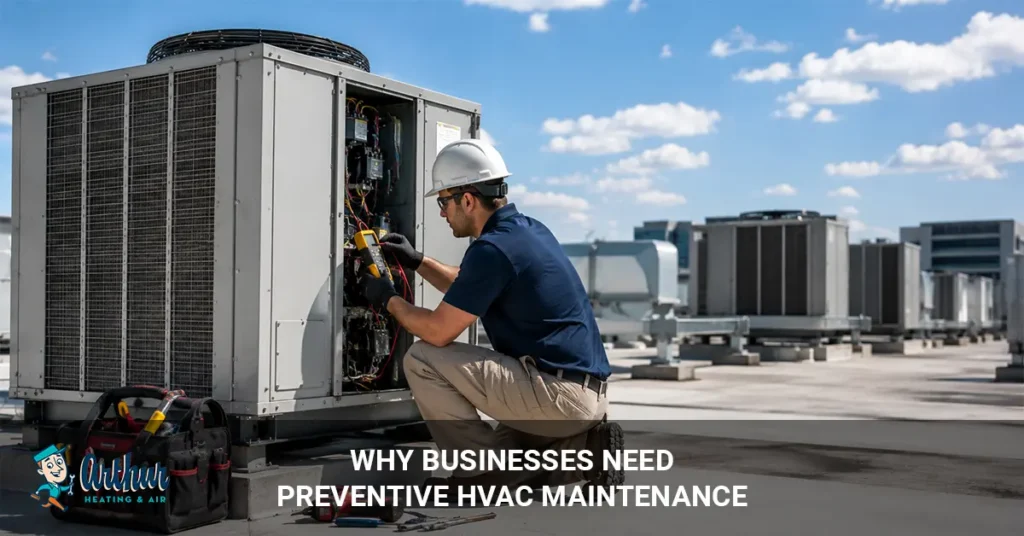
Businesses need preventive HVAC maintenance to lower costs, avoid breakdowns, and keep systems running smoothly. Your HVAC system runs every day. It keeps your space comfortable for employees and customers. It also helps protect equipment
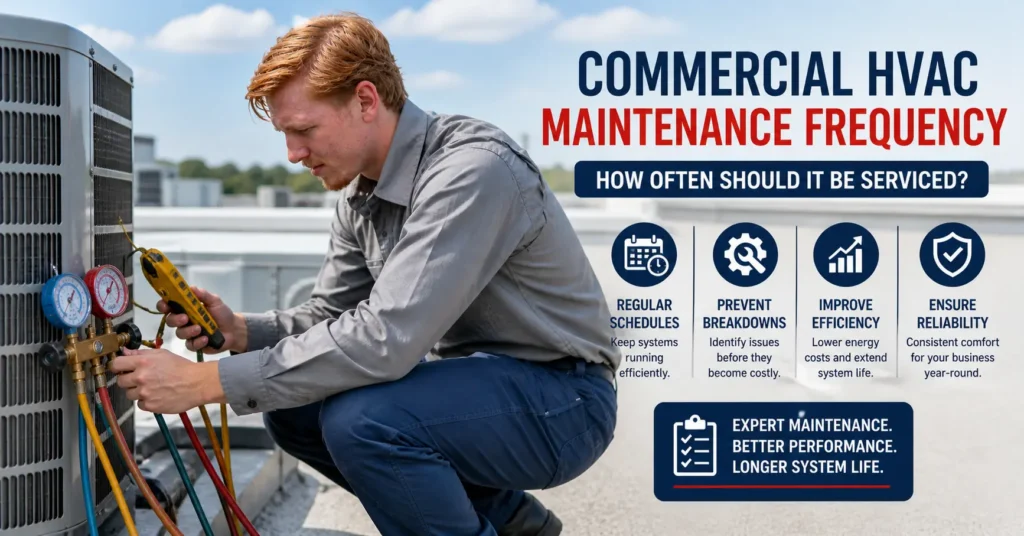
Commercial HVAC systems should be serviced at least twice a year, and more often for buildings that use them heavily. Regular servicing keeps your system running efficiently and helps you avoid costly breakdowns. When maintenance
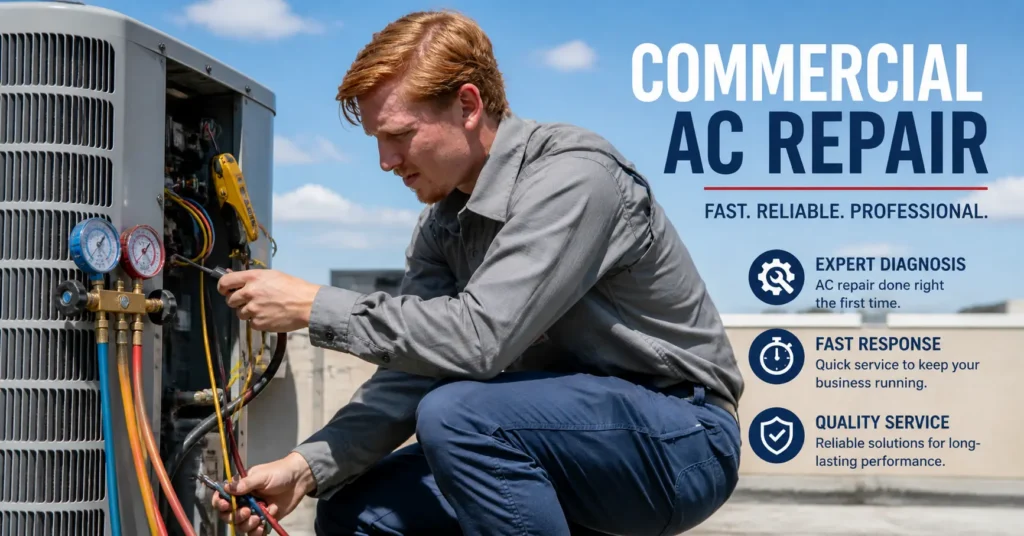
Commercial AC repair is needed when your cooling system stops working properly or starts losing efficiency. When your AC system fails, your business feels it fast. Employees get uncomfortable, customers may leave, and energy costs
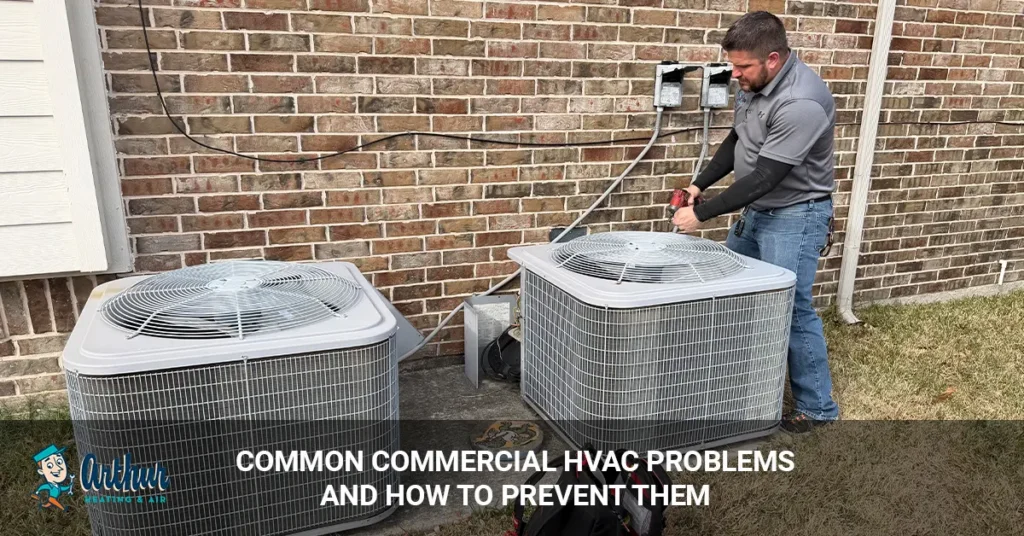
Commercial HVAC problems are usually caused by poor maintenance, system wear, or heavy usage, but most of them can be prevented. Commercial HVAC systems keep your building comfortable and safe. They control temperature, airflow, and