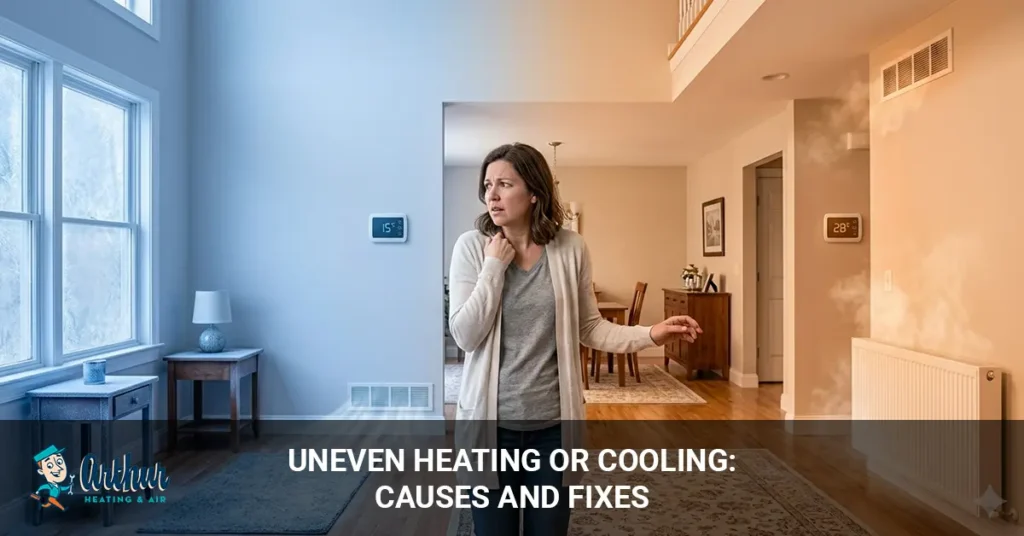
Uneven heating or cooling usually happens when your HVAC system cannot distribute air evenly throughout the home. Some rooms may feel too hot, while others stay cold or uncomfortable even when the system runs constantly.
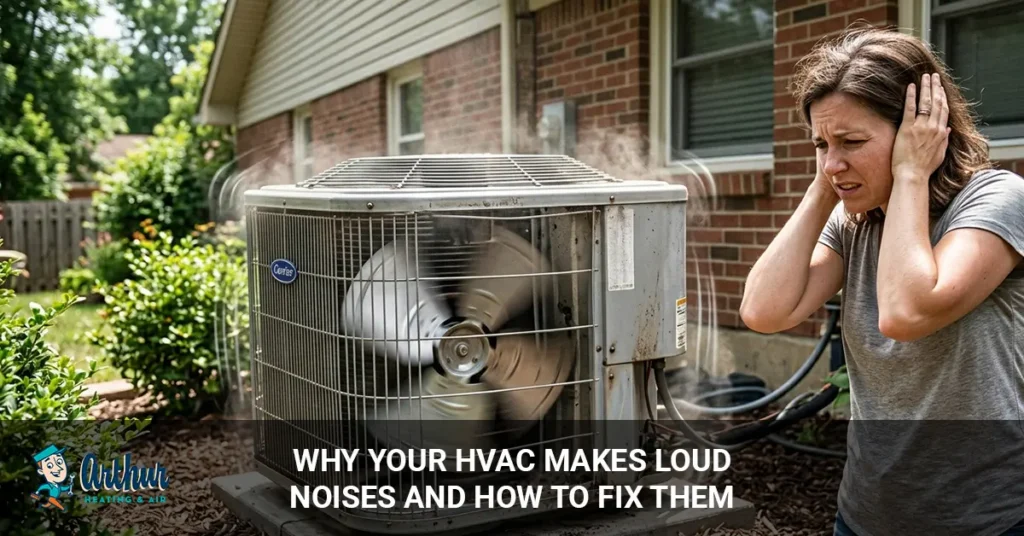
Loud noises from your HVAC system usually mean something inside the unit needs attention. While some sounds are normal when the system starts or shuts down, noises like banging, buzzing, grinding, squealing, or rattling often
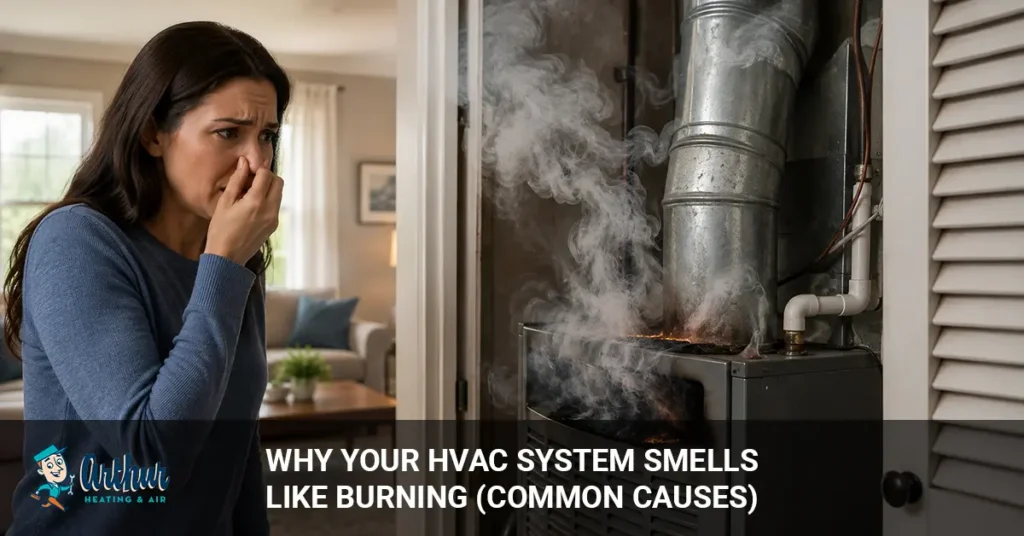
A burning smell coming from your HVAC system can be harmless, or it can signal a serious problem that needs fast attention. In many homes, the smell happens when the heater runs for the first
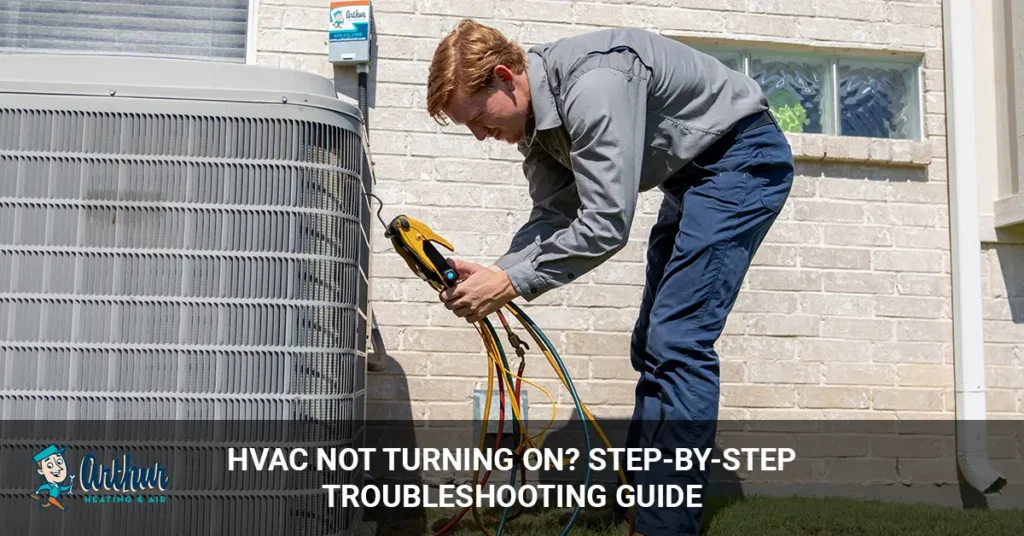
An HVAC system usually stops turning on because of a thermostat problem, power issue, dirty filter, or safety shutdown. In many cases, the problem is simple and can be checked before calling an HVAC technician.
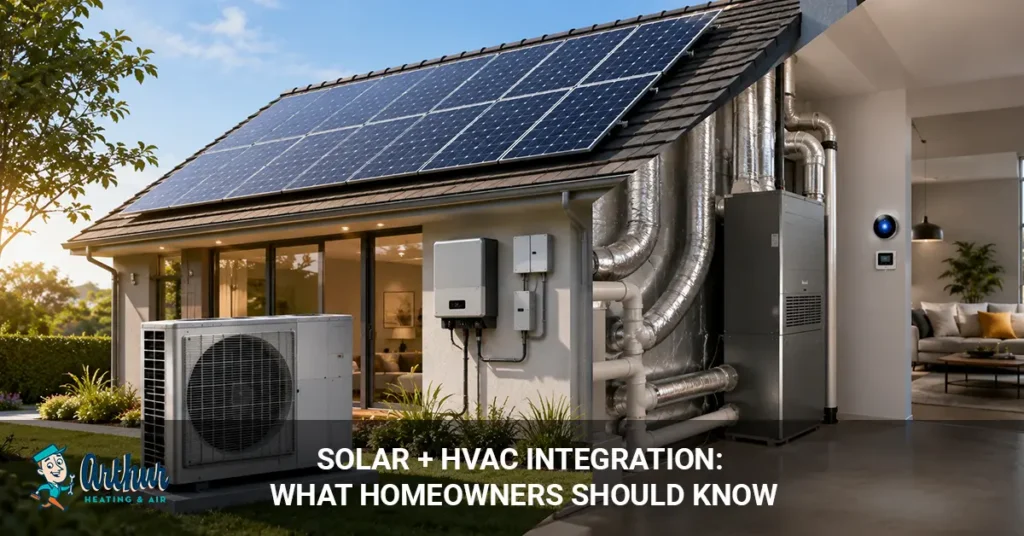
Energy costs continue to rise, and many homeowners are looking for smarter ways to reduce monthly utility bills without sacrificing comfort. Since heating and cooling systems are often the largest source of energy use in
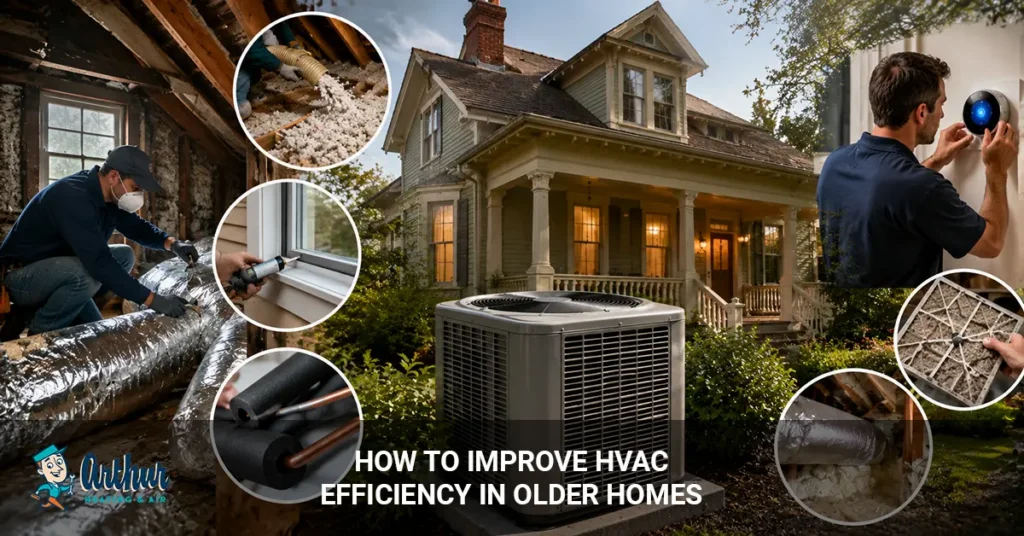
Older homes often struggle with HVAC efficiency because they were built before modern energy standards existed. Poor insulation, air leaks, aging ductwork, and older heating and cooling systems can all make it harder to keep
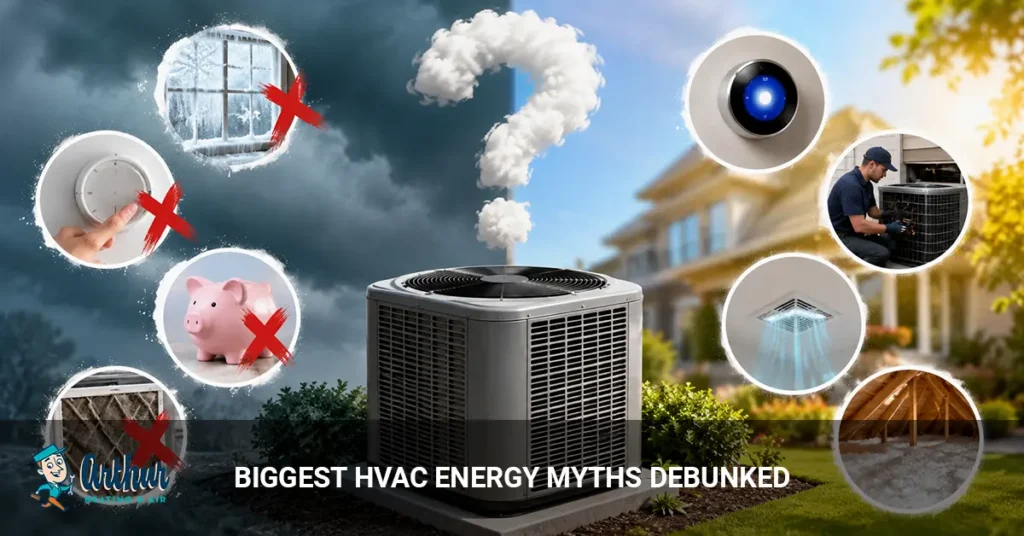
Many homeowners follow HVAC advice that sounds helpful but actually wastes energy and reduces system efficiency. Common HVAC myths can lead to higher utility bills, uneven indoor comfort, and unnecessary strain on heating and cooling
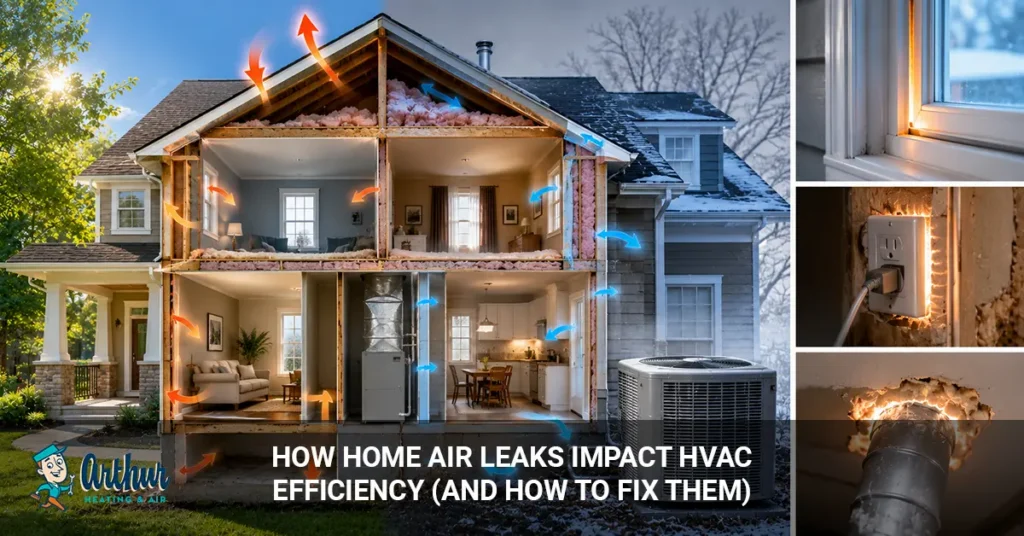
Home air leaks can reduce HVAC efficiency by allowing heated and cooled air to escape from the house. Small gaps and cracks around the home force heating and cooling systems to work harder to maintain
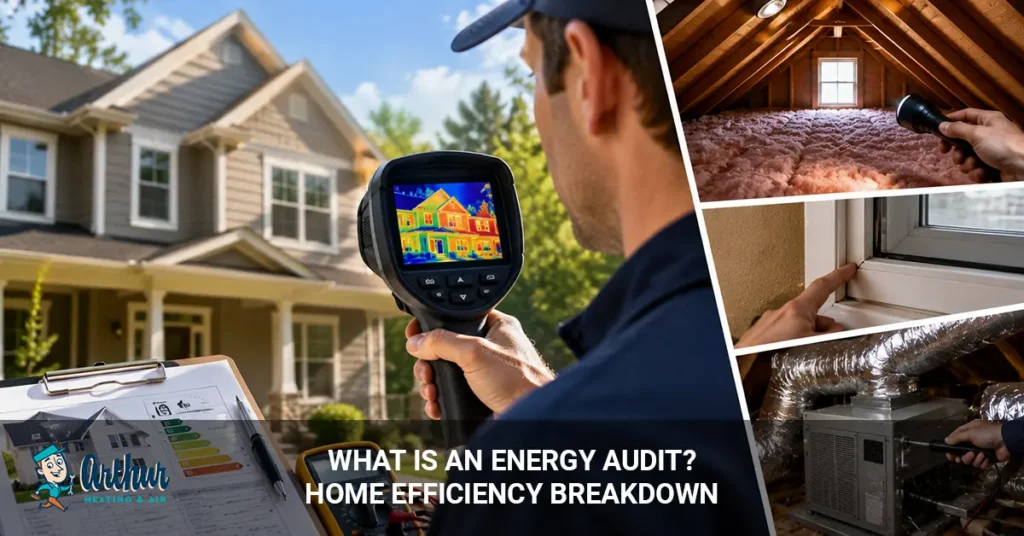
An energy audit is a professional home inspection that shows how efficiently your home uses energy. It helps identify areas where energy is being wasted and explains why heating and cooling costs may be higher
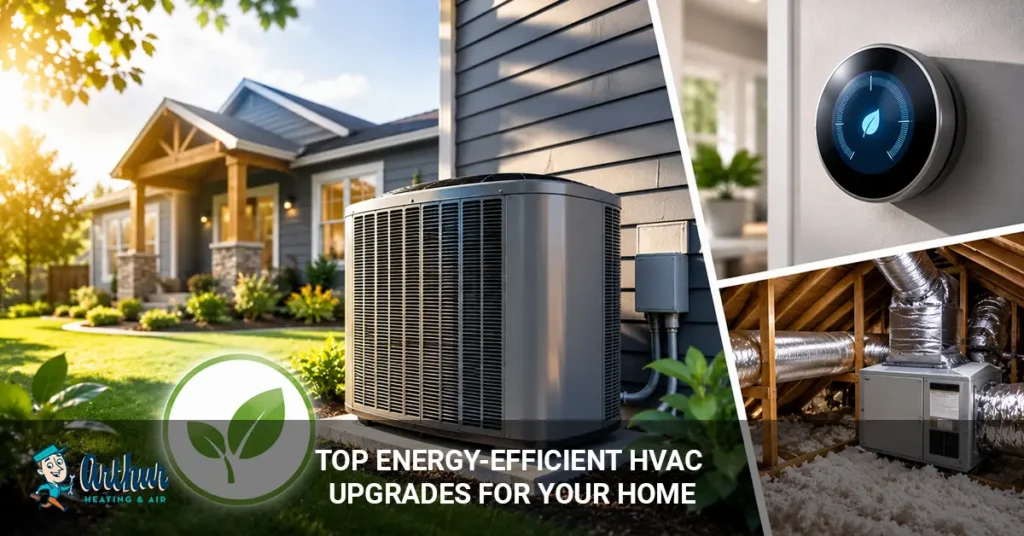
Energy-efficient HVAC upgrades help lower energy bills, improve indoor comfort, and reduce strain on your heating and cooling system. Many homes lose energy every day because of outdated HVAC equipment, poor insulation, air leaks, or